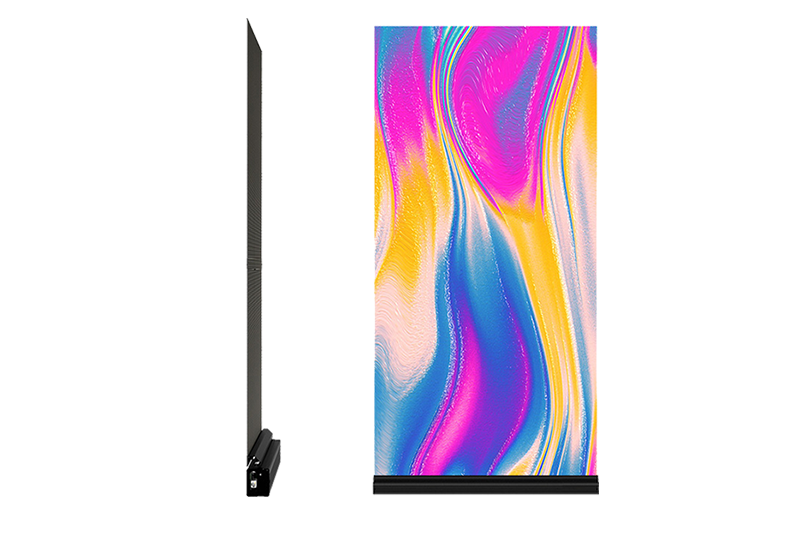
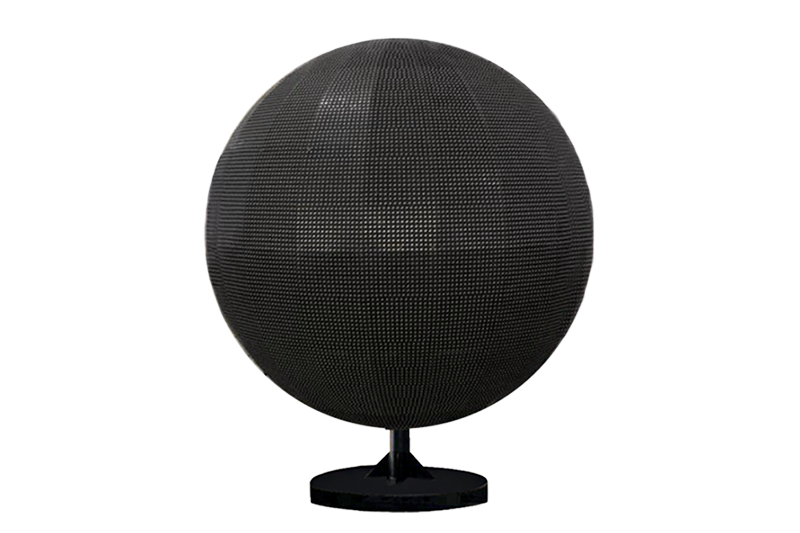
In today's rapidly changing digital world, there's really a buzz around innovative display solutions. Industry reports even predict that the global LED display market will hit around $30 billion by 2025—that's pretty impressive! As businesses look for ways to grab people’s attention with stunning visuals, getting the hang of installing flexible LED screens is more important than ever. These screens are super versatile and open up a lot of creative options, making it possible for companies to craft immersive experiences that genuinely boost customer engagement.
Here at Zhixian Lino (Shenzhen) Technology Co., Ltd., we’re all about pushing the boundaries with new tech, refining how LED screens are built, and making sure our products perform at their best. By keeping Lino Vision ahead of the game, we help businesses effortlessly weave flexible LED screens into their marketing strategies—completely transforming both their spaces and the way they connect with people, in ways they'd never imagined.
Flexible LED screens are really changing the game when it comes to how businesses showcase their stuff and connect with customers. Unlike those old-school display techs, these screens can be shaped and sized in all sorts of ways, which means you can get pretty creative with your setup. They're perfect for fitting into unique spaces, making the place look more attractive and, at the same time, more eye-catching for anyone passing by. If you're a business trying to stand out in a crowded market, flexible LED screens could be just what you need to grab attention and make an impression.
And it’s not just about how good they look. These screens are energy-efficient, and they tend to last longer than regular displays—which can save some serious cash in the long run. Plus, they show vibrant colors and sharp, high-def images, making them ideal for ads, presentations, or even events. One of the coolest parts? They’re super easy to install and maintain, so you can switch up the content or move them around without much hassle. This kind of flexibility lets companies stay fresh, update their marketing strategies on the fly, and keep up with what their audience wants. Basically, it’s all about making things simpler while staying ahead of the curve.
When you're looking into flexible LED screens for your business, there are a few key things you really want to keep in mind to make sure you’re getting the best value and performance. I was reading this recent report from MarketsandMarkets, and it turns out the flexible LED display market is expected to grow a lot—like, with a yearly growth rate of about 17.5% between 2021 and 2026. That’s pretty impressive and just goes to show how important it is to choose the right screen that fits your specific needs.
A big point to think about is the resolution and pixel pitch of the display. Basically, the smaller the pixel pitch, the sharper and clearer the picture is. For indoor setups, aiming for a pixel pitch of 2.5mm or less is usually a smart move, since higher-resolution screens tend to grab attention way better and make your visuals pop.
**Pro tip:** Take a moment to consider where you'll be putting these screens—inside or outside. Brightness levels matter too; indoor screens generally need around 800 to 1,500 nits, while outdoor ones should be brighter, like 3,000 to 5,000 nits, to hold up against sunlight. Also, make sure your new displays will play nice with your existing tech setup so everything runs smoothly without a hitch.
When you're thinking about installing flexible LED screens, picking the right brand really matters. I came across a recent industry report from Grand View Research, and it said that the global market for flexible LED displays could hit around $12 billion by 2026 — that's a huge jump, with a growth rate of about 17.7% annually. Most of this growth is expected to come from various sectors, especially retail and advertising, where eye-catching, vibrant displays are key to grabbing people's attention.
At Zhixian Lino (Shenzhen) Technology Co., Ltd., we're all about using the latest tech to improve LED display structures and make sure they perform at their best. Our Lino Vision products really showcase this dedication — they deliver sharp image quality and dependable performance that help us stand out in a pretty crowded market. Sure, brands like Samsung and LG are awesome, and our products hold their own, but it's constant innovation that pushes us to come up with custom solutions tailored to specific needs.
A quick tip: When you're choosing a flexible LED screen, don’t just look at resolution and brightness. Think about durability, the warranty, and how easy the installation process will be — the last thing you want is to have a headache trying to set everything up! Oh, and keep an eye on the overall value — sometimes paying a little more upfront can save you a lot of trouble down the line by giving you better performance for your money.
Installing flexible LED screens might seem kinda intimidating at first, but if you follow a straightforward, step-by-step approach, businesses can actually make the whole process way simpler. I came across a recent report from MarketsandMarkets, and it says that the global LED display market is projected to hit around $32 billion by 2027. That growth is mainly because companies are looking for more innovative ways to do advertising and create immersive experiences. So, if you're thinking about jumping into the flexible LED tech game, getting a solid grip on how to install these screens is super important if you want to really tap into that huge market potential.
First things first, make sure the spot where you plan to put the screen is preppped and ready. Measure everything carefully so the screen fits just right. Also, check your power sources and data connections—stuff you’ll need for a smooth setup. If you use tech from Zhixian Lino (Shenzhen) Technology Co., Ltd., like their advanced LED display structures, it can make the whole installation process way more efficient and reliable. That way, you’ll get better connectivity and less hassle during setup.
Once the frame is firmly in place, the next step is carefully mounting the flexible LED panels. Don’t forget to calibrate and align everything properly. Industry estimates suggest that a well-installed LED display can boost viewer engagement by up to 30%, so it's really worth taking the time to test everything thoroughly after installation. If you follow these steps and make use of the latest tech, your business can pretty much master the art of putting up flexible LED screens—and stay ahead of the game as the market keeps evolving.
| Step | Description | Tools Needed | Estimated Time |
|---|---|---|---|
| 1 | Planning and Designing the Layout | Measuring tape, Design software | 1-2 hours |
| 2 | Gathering the Required Equipment | Flexible LED Screens, Mounting brackets, Cables | 1-2 hours |
| 3 | Preparing the Installation Site | Screwdrivers, Level, Safety equipment | 2-3 hours |
| 4 | Mounting the LED Screens | Drill, Mounting brackets, Wrenches | 4-5 hours |
| 5 | Connecting the Power and Signal Cables | Cable connectors, Electrical tape | 1-2 hours |
| 6 | Testing the Setup | Multimeter, Testing Software | 1 hour |
| 7 | Final Adjustments and Calibration | Calibration tools, Laptop | 1-2 hours |
Taking good care of your flexible LED screens is super important if you want them to last and work at their best. First off, make it a habit to clean the screens regularly with a soft, lint-free cloth—nothing rough or abrasive, since that might scratch the surface. Steer clear of harsh cleaners or rough scrubbers; honestly, a little bit of mild soap mixed with water usually does the trick to wipe away dust and fingerprints, keeping your display crystal clear for everyone who’s watching.
Another thing to keep in mind is the temperature. If your screens get too hot, it can really wear out the internal parts way sooner than they should. Try to place them somewhere with good airflow, and if needed, look into some cooling options to help keep everything stable. Oh, and don’t forget to do regular check-ups for signs of wear and tear. Catching small issues early means less stress later on and fewer interruptions in your display time.
And here’s a big one—make sure your screen’s software is always up to date. Not only does that improve how it runs and adds new features, but it also helps keep your system secure and compatible with the newest media formats out there. Follow these simple tips, and you’ll be extending the life of your flexible LED screens, making sure they keep performing awesome for your business or project.
Putting up flexible LED screens can totally change the vibe of your business space, but honestly, it’s not always smooth sailing. One thing that trips people up is not prepping the surface properly—if the wall isn’t smooth or clean, the screen might not mount evenly, and it ends up looking kinda rough. So, it’s super important to give the area a good check and prep before you start. Using leveling tools can really help get everything straight and perfect—the last thing you want is a crooked display that distracts people.
And then there’s the wiring. Handling the electrical stuff with flexible LED screens needs to be done carefully—damaged wires or a messy setup can cause all sorts of issues. A good tip is to sketch out a wiring plan beforehand, so you know exactly where everything should go. Putting some cable management tools into play can also make a big difference—keeps everything tidy, safe, and easy to troubleshoot if needed. If you tackle these little hurdles early on, your installation will go much smoother, and your new display will look awesome and work perfectly every time.
: When choosing a flexible LED screen, consider the resolution, brightness, durability, warranty, streamlined installation process, and the cost-to-performance ratio.
Maintenance is crucial for ensuring the longevity and optimal performance of flexible LED screens, preventing premature failure and costly downtime.
Use a soft, lint-free cloth to clean the screens, avoiding aggressive cleaning agents or abrasive materials. A blend of mild soap and water is effective for dust and fingerprints.
Excessive heat can lead to premature failure of components, so it is important to keep the screens in a well-ventilated area and consider cooling solutions if necessary.
Routine inspections should be scheduled regularly to check for any signs of wear and tear, which allows for timely repairs and minimizes downtime.
Keeping the software updated enhances functionality, ensures compatibility with the latest media formats, and adds an extra layer of security.