




4K LED Video Wall Indoor: How to Build a Seamless Ultra-HD Display for Professional Spaces
4K Led Video Wall Indoor: Why Demand Is Increasing
The keyword 4K Led Video Wall Indoor reflects a major shift in professional display projects.
Businesses are no longer satisfied with a large screen alone. They need a display that can show fine text, multiple signal windows, spreadsheets, technical drawings, video conferencing feeds, dashboards, maps, brand content, and 4K video without visible seams or loss of detail.
This is particularly important in conference rooms, command centers, monitoring rooms, corporate showrooms, and broadcast environments.
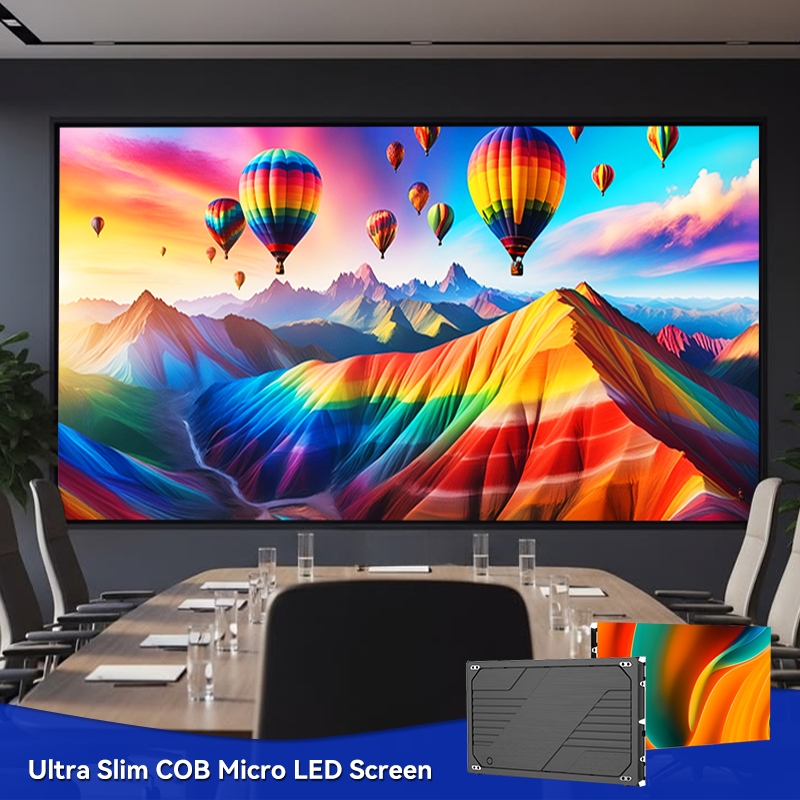
LEDLINO’s current 4K COB conference-room content identifies 4K Indoor Led Displays as a growing solution for hybrid meetings, remote collaboration, executive presentations, training, and digital decision-making.
A well-designed 4K led video wall is therefore not simply a bigger display. It is a high-resolution visual platform built around the room, viewing distance, content, and operational requirements.
What Is a 4K Indoor Led Video Wall?
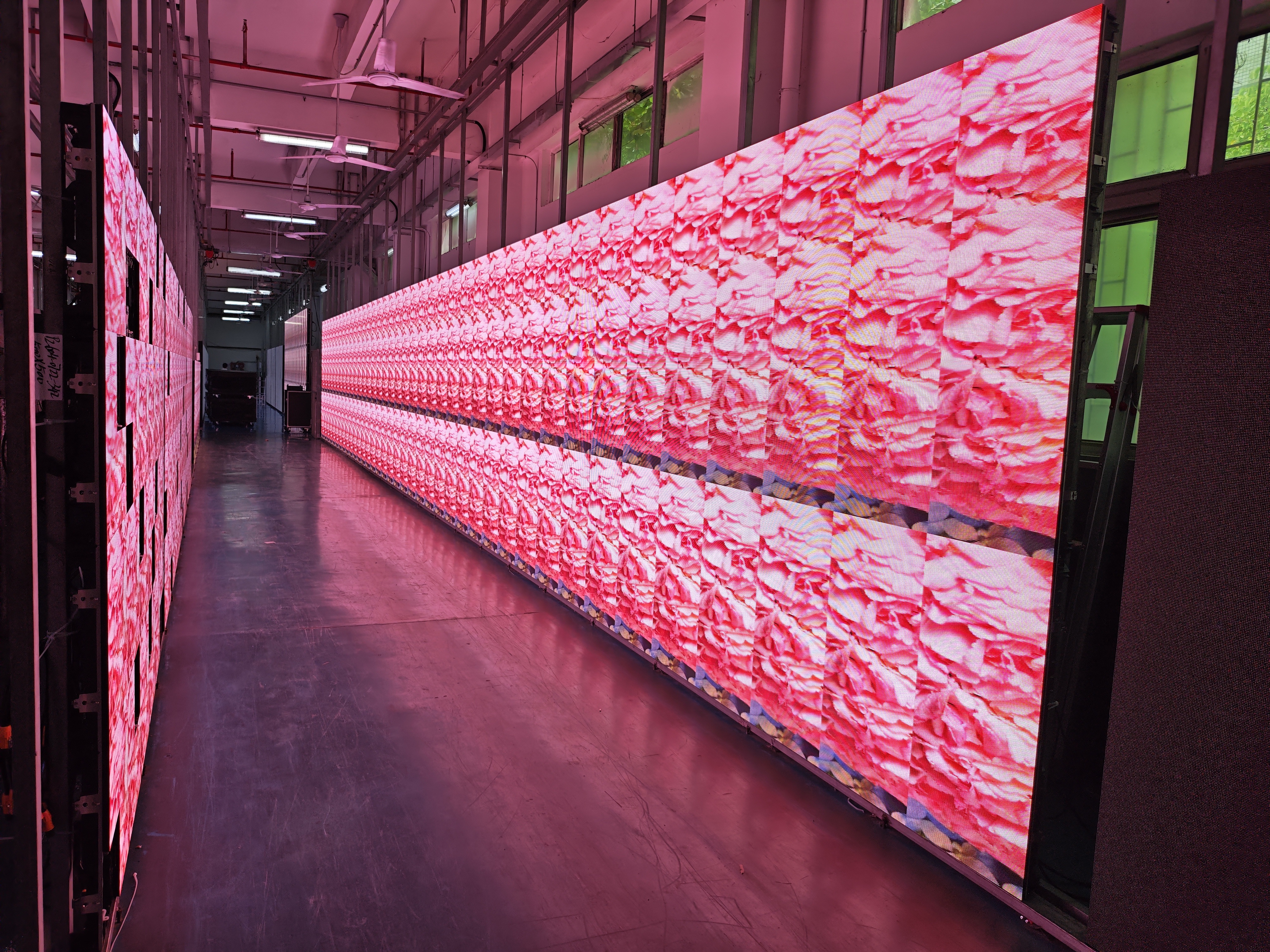
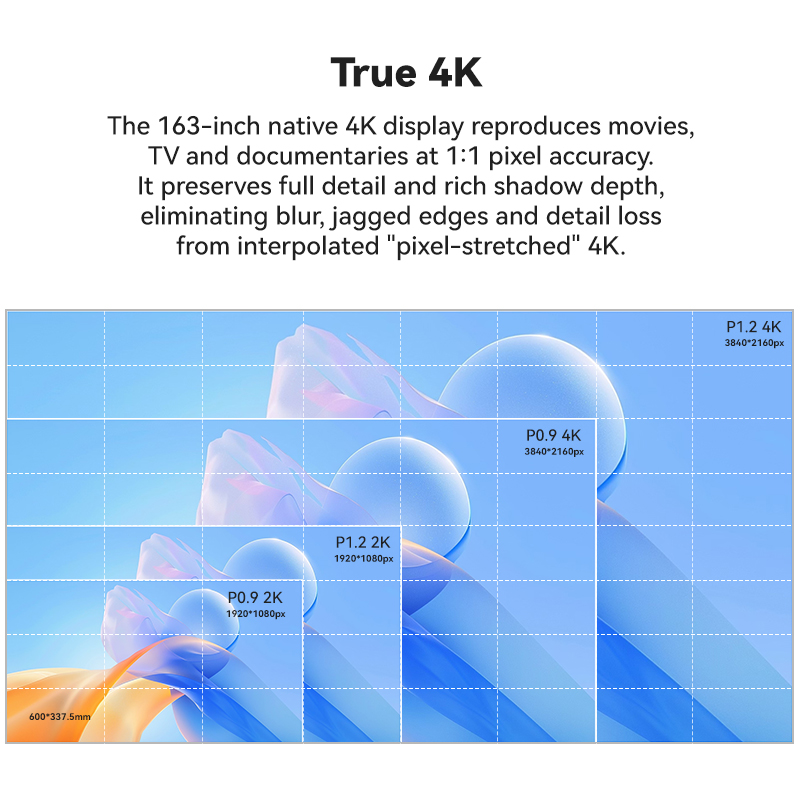
A 4K Indoor Led Video Wall is a modular direct-view LED display engineered to achieve approximately3840 × 2160 pixels across the total screen surface.
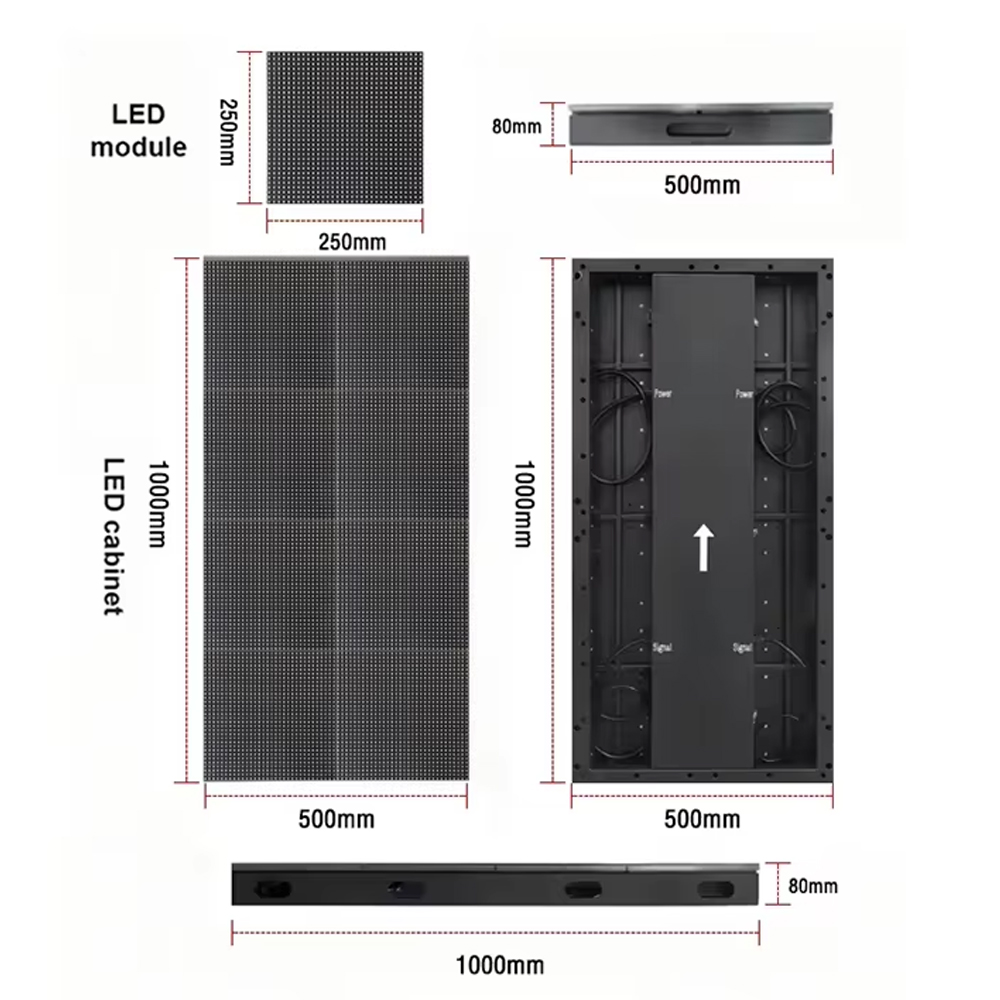
Unlike an LCD television, the final physical size of an LED video wall is not fixed. The screen is assembled from modules or cabinets, allowing designers to create different dimensions while targeting a required resolution.
This relationship between pixel pitch + screen dimensions = total pixel resolution is fundamental.
A small pixel pitch allows 4K resolution to be achieved in a smaller physical area. A larger pitch requires a physically larger screen to reach the same pixel count.
LEDLINO’s small-pitch content notes that a 4K display can be achieved in a more compact size using pitches such as P1.25 or P1.53, while P2 or P2.5 requires more screen area for the same resolution.
Why 3840 × 2160 Matters
4K UHD contains roughly 8.3 million pixels.
For professional indoor applications, this additional resolution can improve:
-
Small text readability
-
Spreadsheet display
-
Technical drawings
-
Data dashboards
-
Product imagery
-
Maps
-
Multiple video windows
-
Video conferencing
-
High-resolution media playback
LEDLINO’s 4K conference-room article highlights the advantage of displaying remote participants, documents, charts, videos, and multi-window collaboration content more clearly on a 3840 × 2160 LED wall.
This is why 4K is particularly relevant to rooms where users sit relatively close to a large screen.
Key Factor 1: Pixel Pitch Determines the Physical Size of 4K
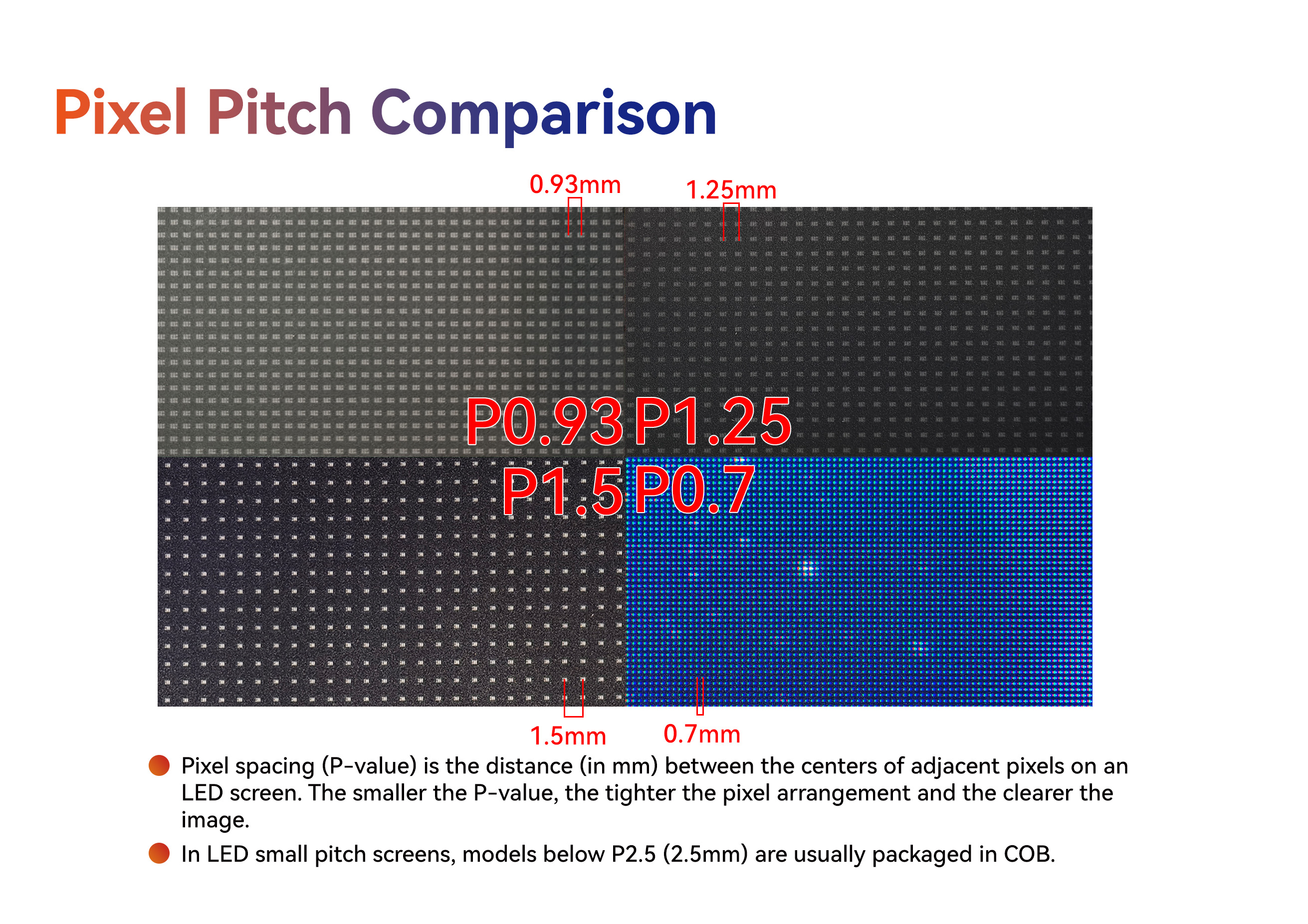
Pixel pitch is one of the first specifications to determine when designing a 4K LED video wall.
The basic principle is simple:
Smaller pixel pitch = more pixels per meter = smaller physical screen needed for 4K.
Common choices include:
P1.25
A premium option for close viewing and compact 4K installations.
P1.53
A strong balance between fine detail, screen size, and project cost.
P1.86
A practical fine-pitch option for larger meeting rooms and commercial spaces.
P2 / P2.5
Useful when the room permits a larger screen and viewing distance is longer.
LEDLINO’s current indoor 4K product line includes P1.25, P1.53, P1.86, P2, and P2.5, allowing project designers to match screen dimensions to viewing distance and budget.
The smallest pitch is not automatically the best. The right pitch is the one that achieves the required resolution and viewing comfort without unnecessary cost.
Key Factor 2: Viewing Distance
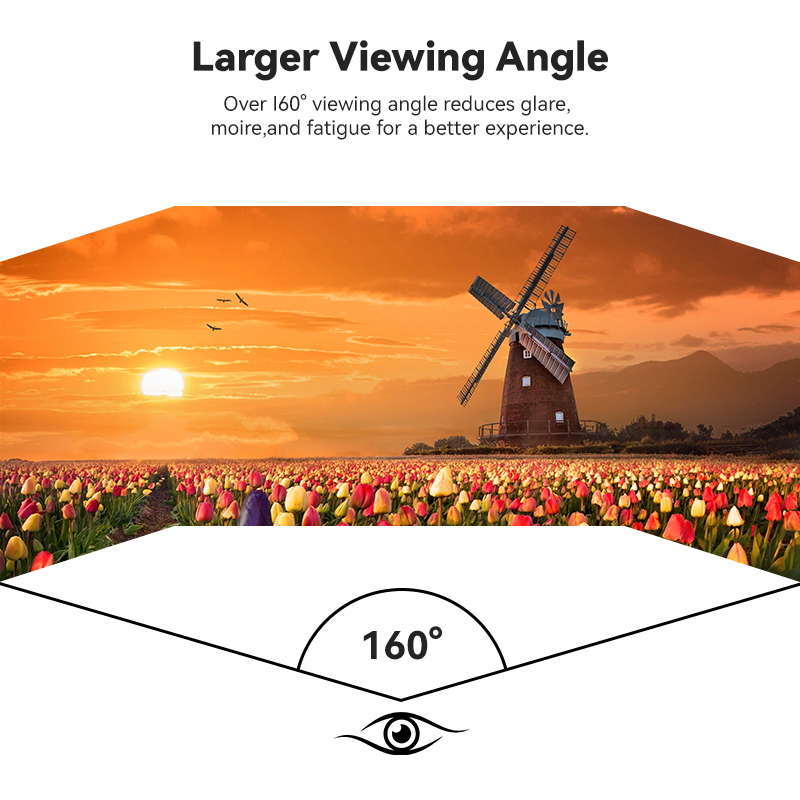
A 4K screen only delivers real value if the audience can perceive the detail comfortably.
In a smaller executive boardroom, people may sit relatively close to the display. In this case, P1.25 or P1.53 may be appropriate.
In a larger presentation room, P1.86 or P2 may provide excellent results while reducing project cost.
LEDLINO’s P1.86 COB case specifically notes that conference-room viewers are often positioned close to the screen, making pixel pitch, clarity, color uniformity, and screen flatness important.
Before selecting the screen, designers should measure the nearest viewing position rather than relying only on wall size.
Key Factor 3: COB vs SMD vs GOB
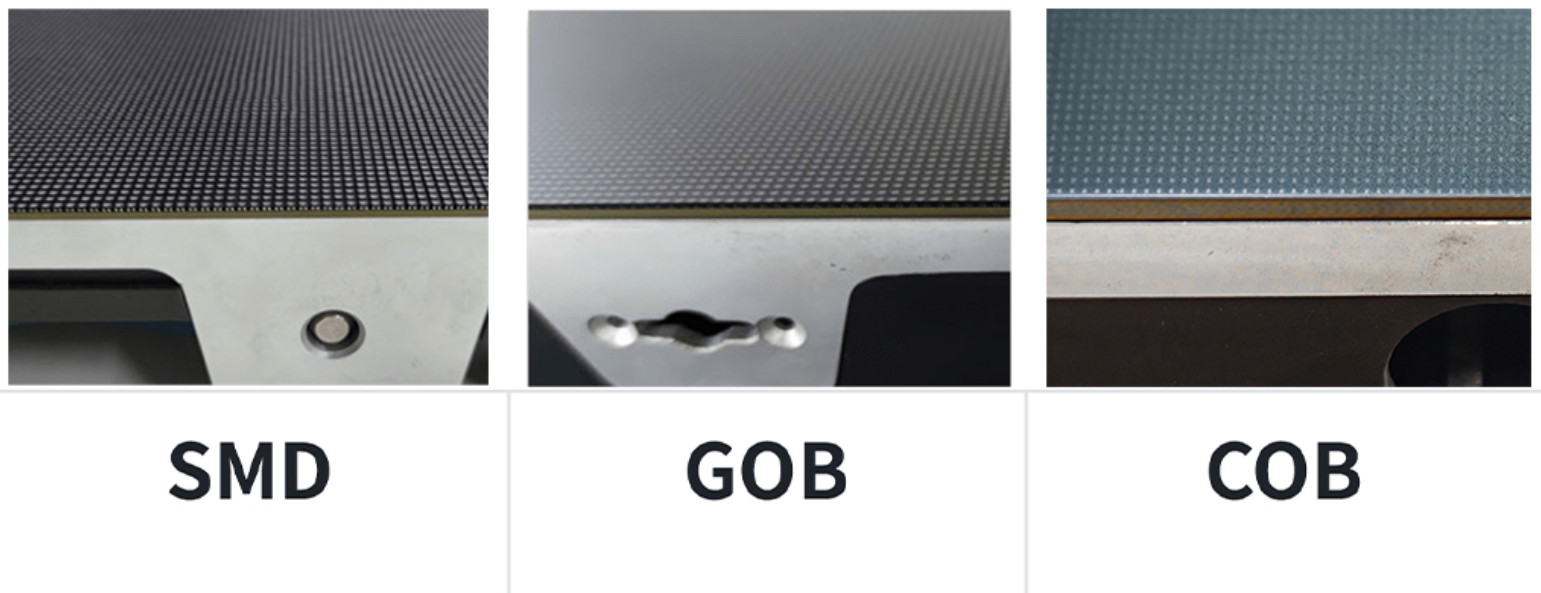
A 4K indoor LED wall can be built with different packaging technologies.
COB
COB mounts LED chips directly onto the PCB and uses an integrated protective surface.
It is especially suitable for fine-pitch applications where close viewing, high contrast, surface protection, and premium visual quality are priorities.
LEDLINO’s 4K COB conference-room article identifies COB as particularly relevant to high-density 4K indoor screens because it supports fine pitch while improving surface protection.
SMD
SMD is mature, widely available, and cost-effective.
For many P1.86, P2, or P2.5 indoor projects, SMD remains a strong option.
GOB
GOB adds a protective layer over an SMD module, improving resistance to touch, dust, and minor impact.
LEDLINO’s indoor product page supports both GOB and COB technology depending on project requirements.
The packaging choice should be based on pixel pitch, budget, durability requirements, and application—not technology name alone.