



Indoor LED Video Wall Price: What Affects the Cost of a Professional Indoor Display Project?
Indoor LED Video Wall Price: Why Buyers Should Look Beyond Square Meter Cost
When customers search for Indoor Led Video Wall price, they often want a simple number. However, a professional Indoor Led Display project is not priced only by square meter. The final cost depends on pixel pitch, screen size, resolution, cabinet type, LED packaging, control system, installation structure, maintenance method, spare parts, shipping, and after-sales support.
This is why two Indoor Led Video Walls with the same physical size can have very different prices. A P1.25 COB LED video wall for a high-end command center will cost more than a P2.5 SMD screen for a commercial presentation area, because the pixel density, production precision, cabinet configuration, and visual requirements are different.
LEDLINO’s fine-pitch guide explains that smaller pixel pitch means denser LEDs, higher resolution, finer image clarity, and higher cost because more LED components and more precise manufacturing are required.
1. Pixel Pitch Is the Biggest Price Factor
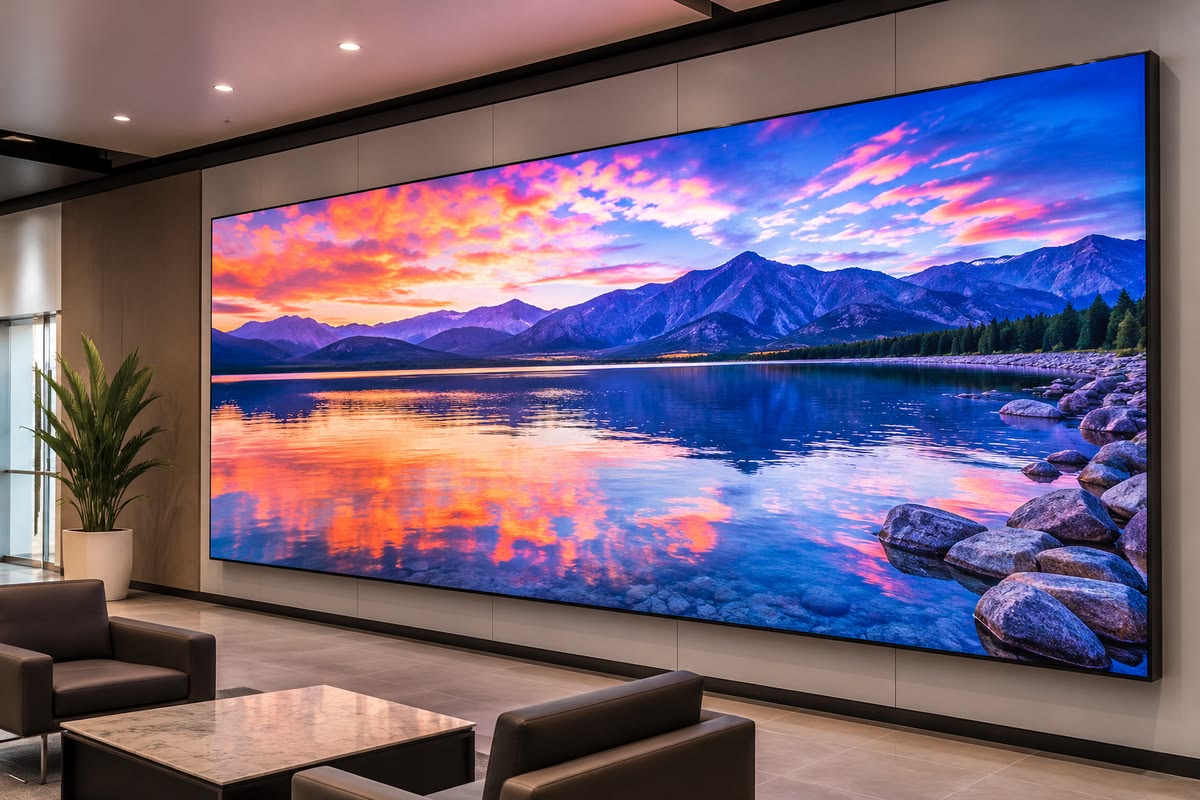
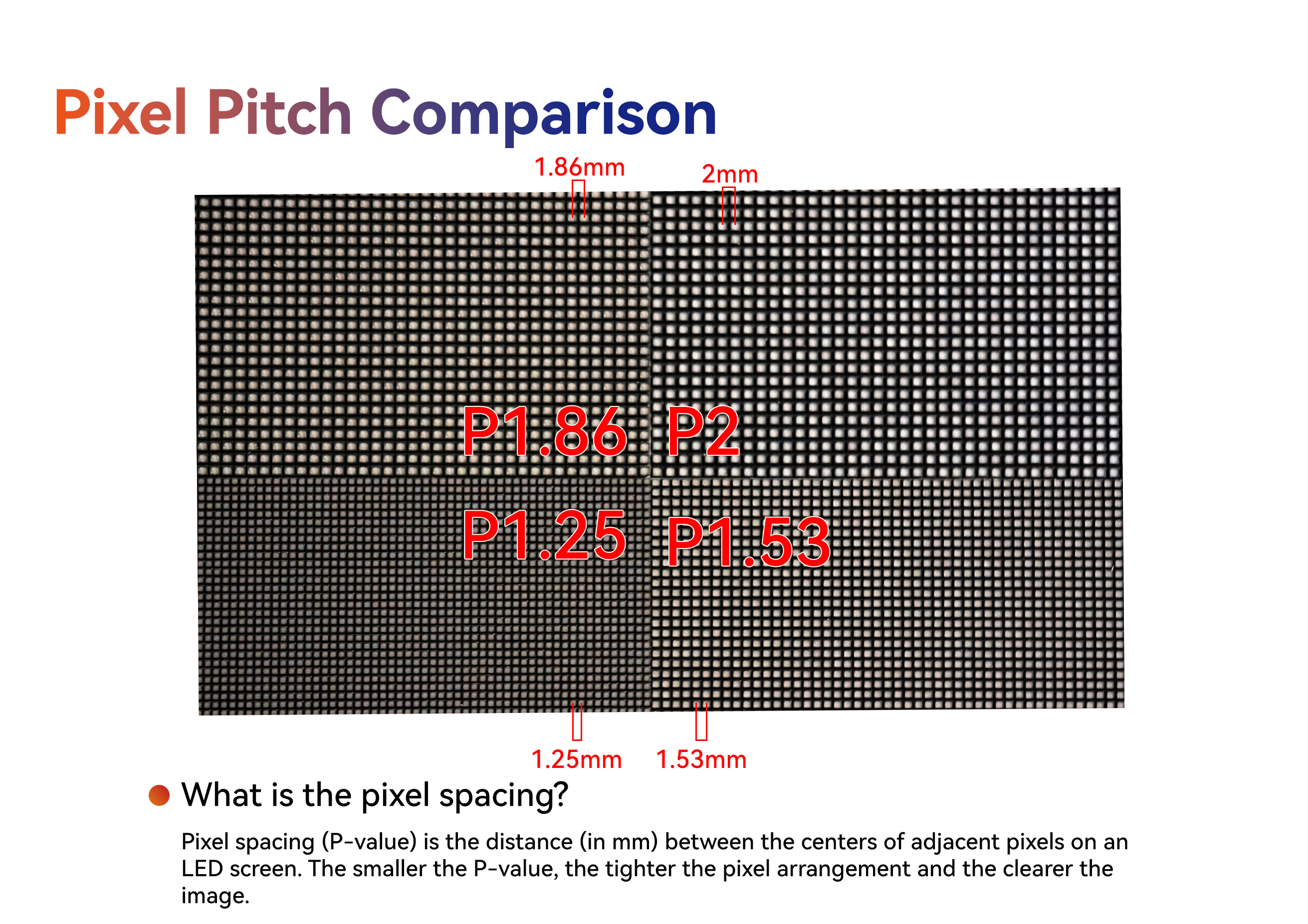
Pixel pitch is one of the most important factors affecting Indoor Led Video Wall price. Pixel pitch refers to the distance between adjacent LED pixels. A smaller pixel pitch means more pixels per square meter, higher resolution, and better close-viewing clarity.
Common Indoor Led Video Wall options include:
- P1.25: premium close-viewing display
- P1.53: high-definition indoor video wall
- P1.86: balanced fine pitch solution
- P2: practical conference and commercial display
- P2.5: cost-effective indoor large screen
- P3 / P4: suitable for longer viewing distance
LEDLINO’s P1.53 indoor LED video wall product page lists P1.25, P1.53, P1.86, P2 and P2.5 models, with front-service design, 640 × 480 mm cabinet size, slim structure, quick installation, and OEM/ODM availability.
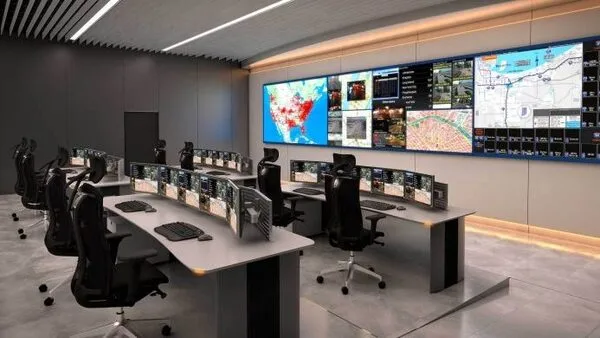
For close-viewing spaces such as boardrooms, meeting rooms, research centers, control rooms, and command centers, smaller pitch options like P1.25, P1.53, or P1.86 are often preferred. For larger halls, churches, retail spaces, airports, or shopping malls, P2, P2.5, P3, or P4 may provide better cost performance.
2. Screen Size and Resolution Affect Total Cost
The total price of an indoor LED video wall depends heavily on screen size. A larger screen requires more modules, cabinets, power supplies, receiving cards, structural materials, and installation work.
However, screen size should not be planned separately from resolution. If the customer needs a 2K, 4K, or ultra-wide display, pixel pitch and screen size must be calculated together.
For example, a 4K indoor LED video wall using P1.25 can achieve high resolution in a smaller physical size, while a P2.5 screen needs a larger area to reach the same pixel count. This is why professional quotation should include both physical dimensions and pixel resolution.
LEDLINO’s indoor small-pitch display solution highlights that small-pitch LED displays provide rich image details, clear text edges, uniform brightness, stable colors, and professional-grade display performance for conference rooms, command centers, exhibition halls, studios, monitoring centers, and high-end commercial spaces.
3. COB, SMD, and GOB Packaging Change the Price
Indoor LED video wall price is also affected by packaging technology.
SMD LED displays are mature and widely used. They are suitable for many indoor fixed display projects and usually offer strong cost performance.
GOB LED displays add a protective glue layer on the LED surface, improving protection against dust, moisture, touch, and minor impact.
COB LED displays mount LED chips directly onto the PCB board and cover the surface with an integrated protective layer. COB technology is often used for premium fine pitch and micro pitch indoor LED video walls because it offers stronger surface protection, better close-viewing performance, and a smoother visual surface.
LEDLINO’s indoor COB LED video wall case describes COB fine-pitch LED displays as seamless indoor LED video wall solutions with ultra-HD image quality, high contrast, wide viewing angle, smooth playback, front maintenance, stable operation, and customized installation support.
In general, COB LED video walls cost more than standard SMD displays, but they provide higher long-term value for conference rooms, command centers, control rooms, studios, and premium commercial spaces.
4. Cabinet Structure and Maintenance Design Matter
A professional indoor LED video wall is not only made of LED modules. Cabinet structure affects screen flatness, installation speed, maintenance convenience, heat dissipation, weight, and final appearance.
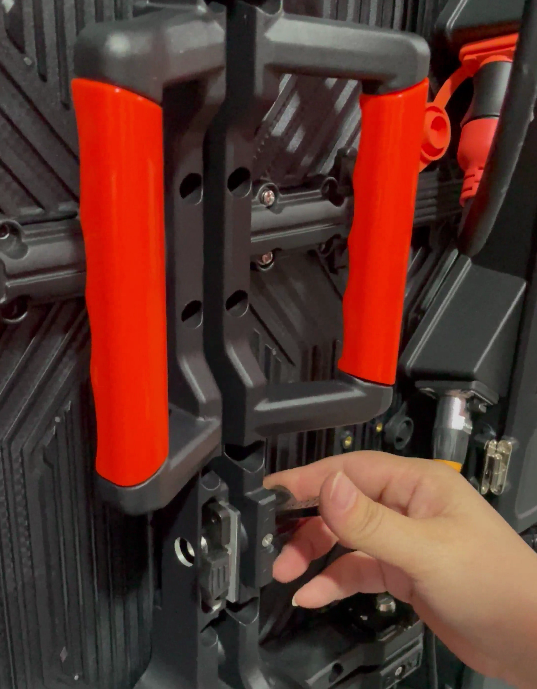
LEDLINO’s P1.53 indoor LED video wall product page highlights a 640 × 480 mm cabinet size, front-service design, ultra-thin cabinet, magnetic front access, quick installation, and maintenance-friendly structure.
Front maintenance usually increases product value because it saves rear maintenance space and makes wall-mounted or embedded installation cleaner. This is especially important for conference rooms, corporate showrooms, churches, retail spaces, and control rooms where the LED wall is installed close to a wall.
If the project requires a special structure, curved design, embedded installation, ultra-slim cabinet, or custom frame, the price will also change.
5. Refresh Rate, Gray Scale, and Image Quality Affect Cost
Indoor LED video walls often display videos, presentations, live feeds, dashboards, and camera-recorded content. Therefore, refresh rate, gray scale, color consistency, and calibration quality matter.
LEDLINO’s indoor display product content mentions 3840Hz high refresh rate for indoor LED display solutions, and the company’s rental LED screen page also highlights high refresh performance for smooth playback and professional event use.
A high refresh rate is important for reducing flicker when the screen is filmed by cameras. This matters in conference rooms, broadcast studios, training rooms, product launches, live events, and hybrid meeting spaces.
Lower-cost LED screens may look acceptable for simple static images, but professional indoor video walls need stable brightness, smooth gradients, accurate color, and long-term consistency.