



LED Film Screen for Glass Window: A New Transparent Advertising Solution for Retail and Commercial Spaces
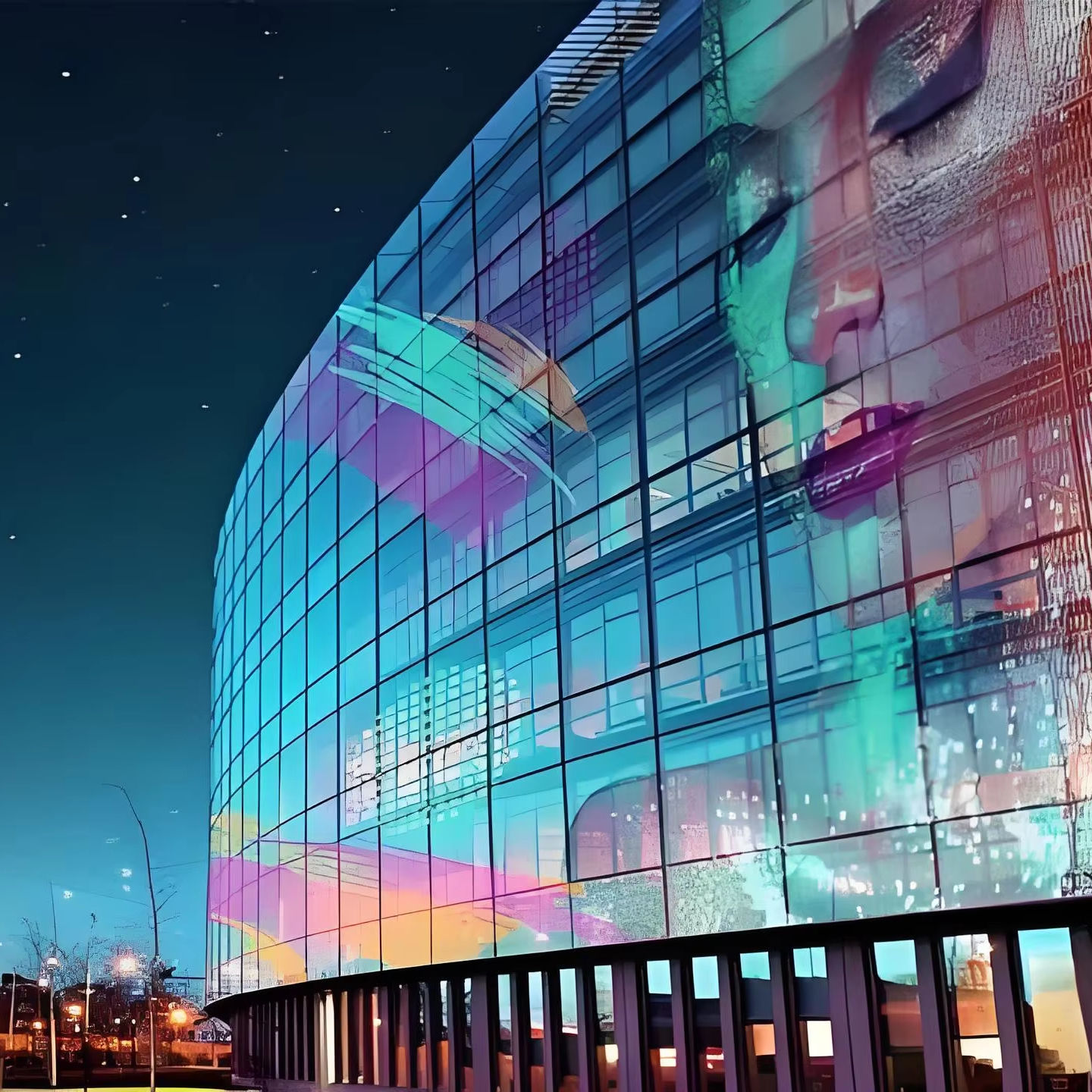
led film screen for glass Window: Turning Glass Into Digital Media
Glass has always played an important role in retail and commercial architecture.
Storefronts use glass to show products. Shopping malls rely on glass façades to create open interiors. Car showrooms use large glass walls to connect indoor products with passing customers. Hotels, restaurants, museums, airports, and corporate buildings also use glass because it provides light, transparency, and a modern architectural appearance.
The problem begins when businesses want to add digital advertising.
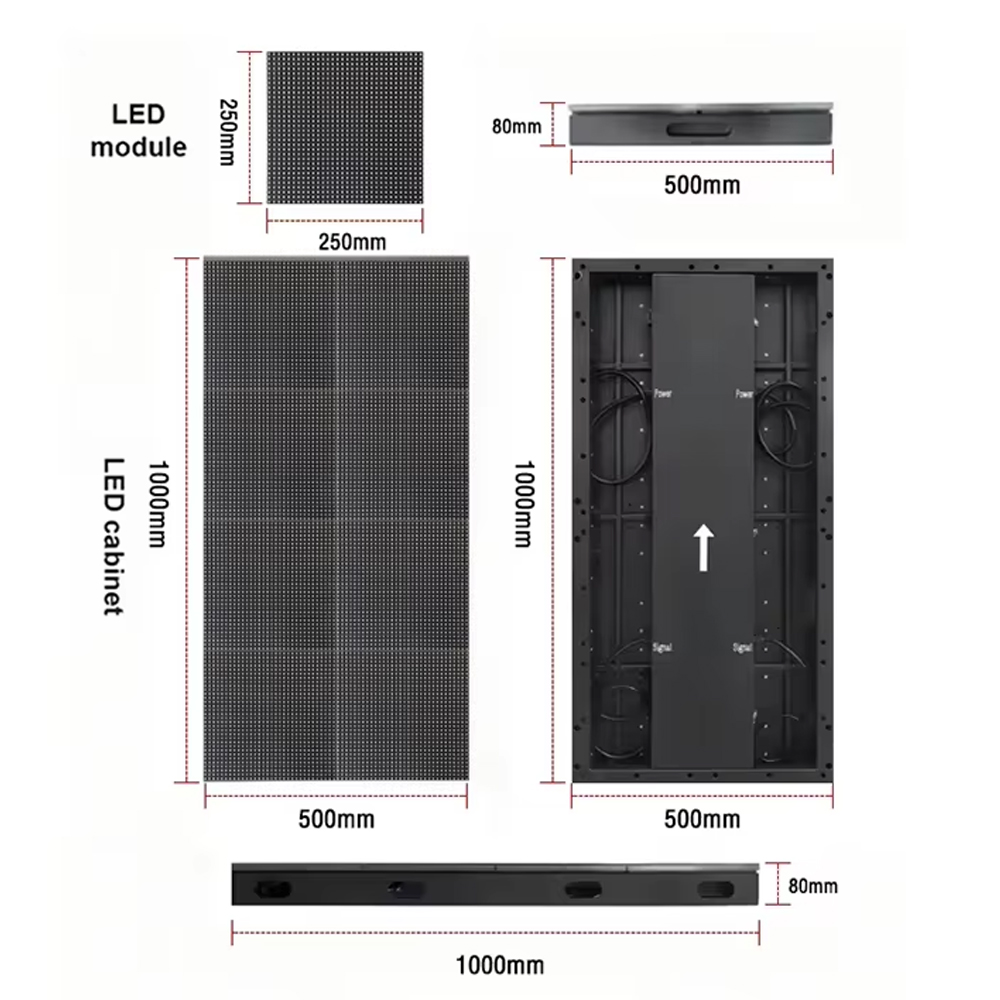
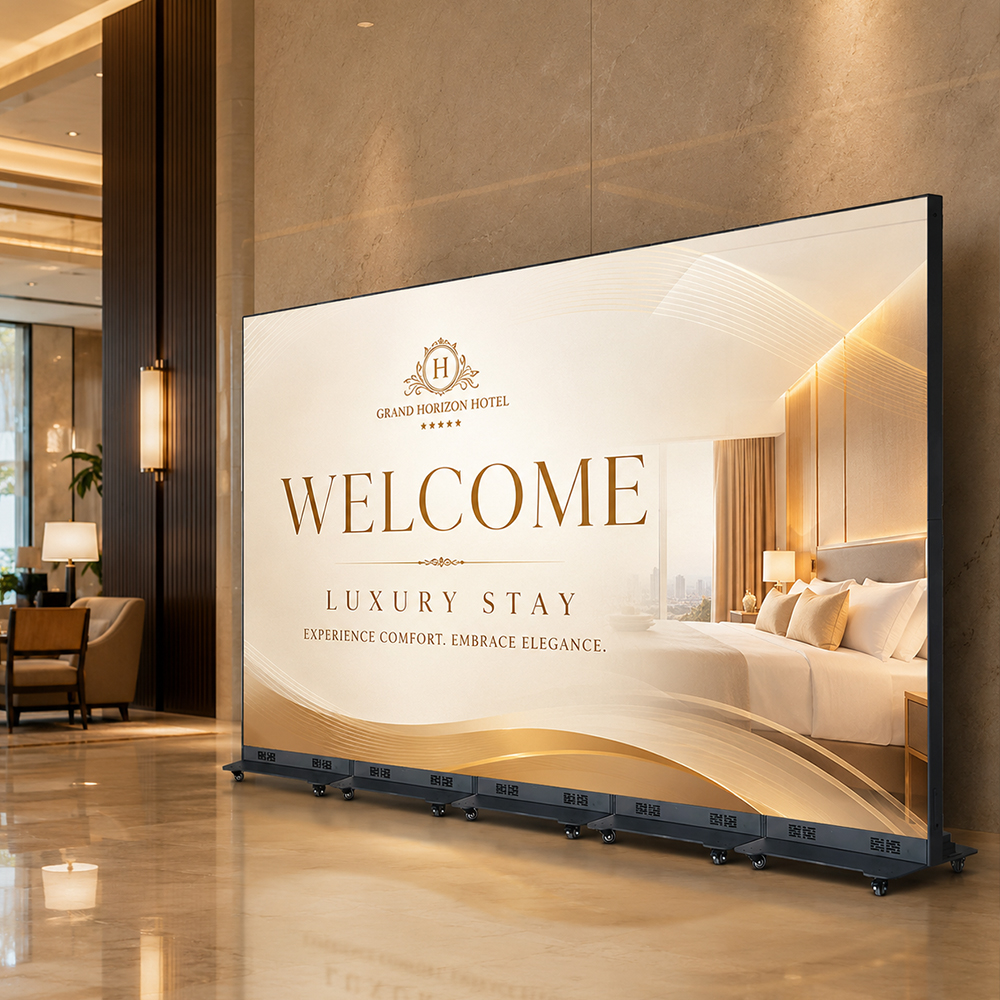
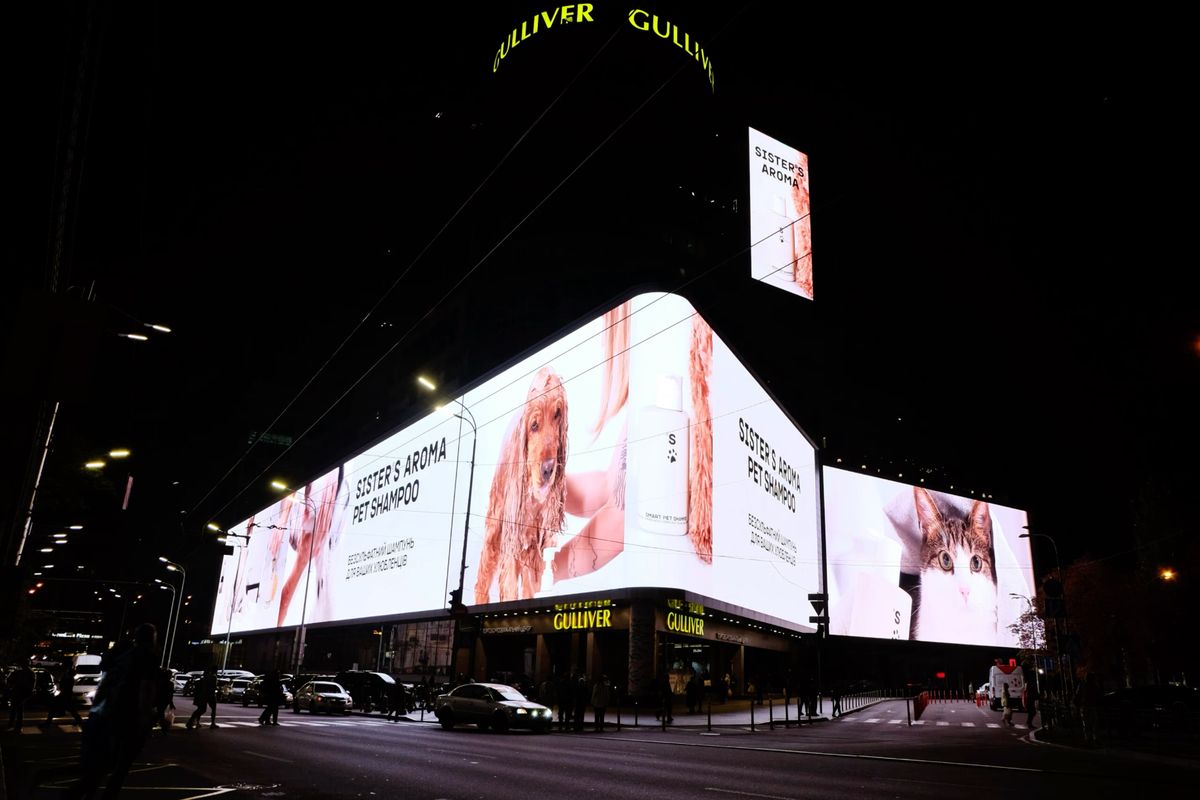
A conventional led wall can deliver strong visuals, but it blocks the glass. LCD displays occupy physical space and interrupt the architectural design. Printed window graphics preserve simplicity but cannot show dynamic video.
An led film screen for glass window provides another option.
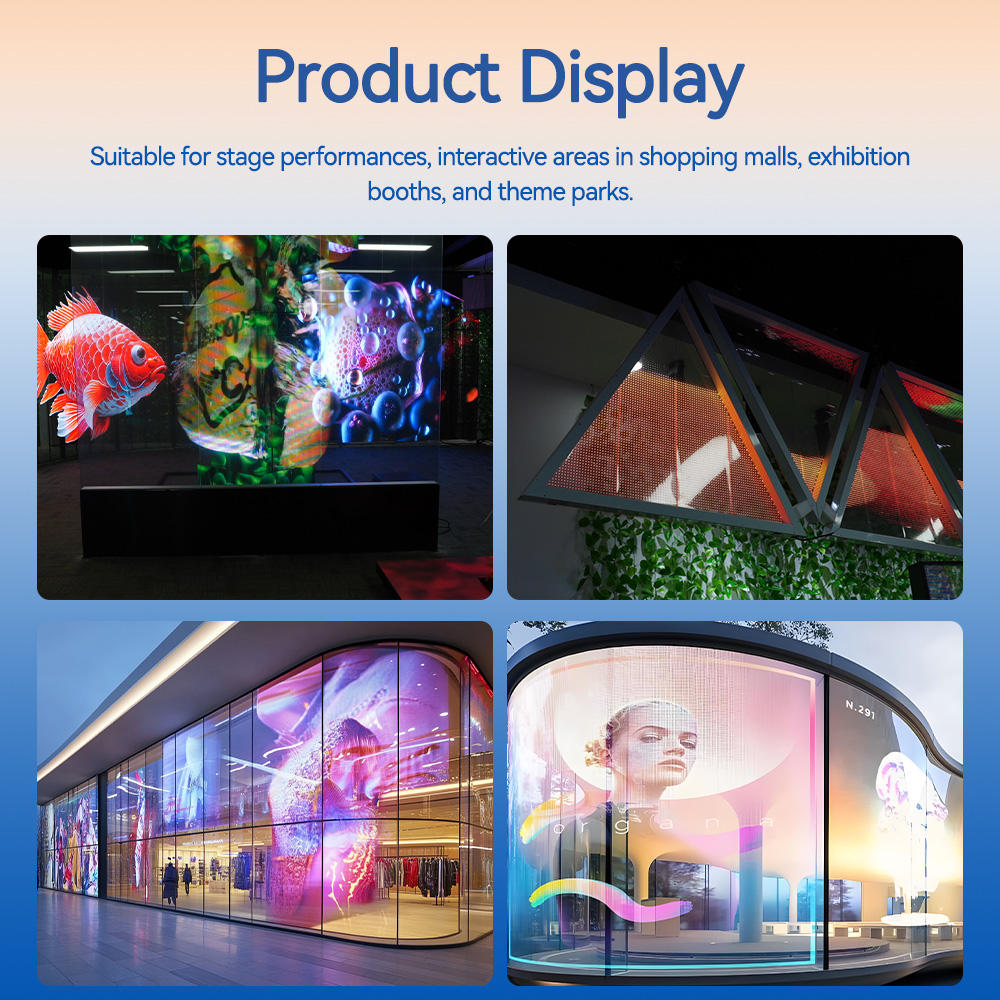
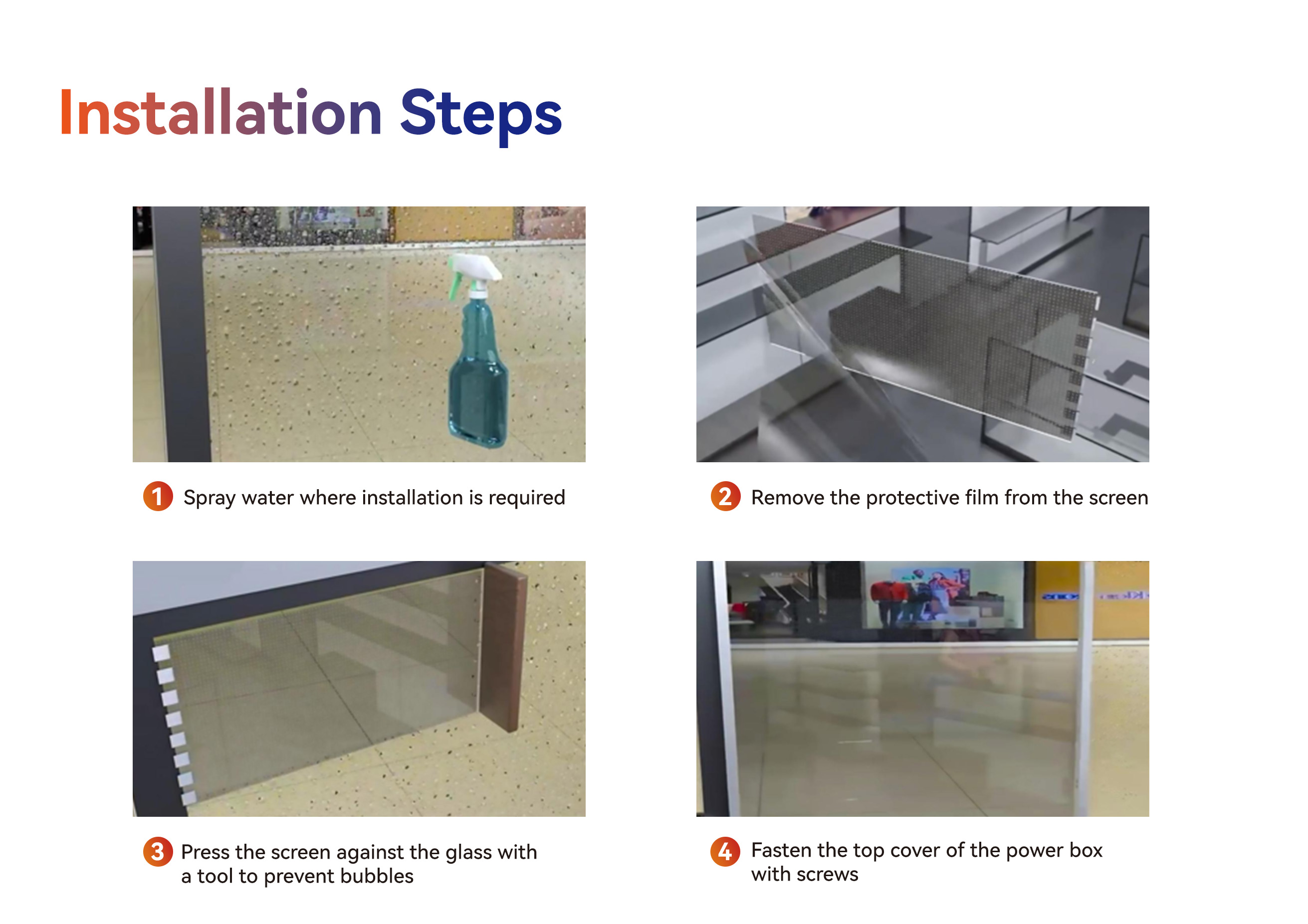
Instead of replacing the glass, the Transparent Led Film is installed directly onto or integrated with the glass surface. When operating, it can display videos, animations, logos, promotional content, and digital art. When content becomes dark or the display is turned off, much of the original glass transparency remains visible.
LEDLINO describes its crystal film screen as an ultra-thin transparent solution that can integrate closely with glass and preserve the openness of the architectural environment.
What Is an led film screen for glass?
An Led Film Screen is a thin transparent display that places LED light-emitting components on a flexible transparent substrate.
Unlike a conventional LED cabinet, which usually contains modules, metal cabinets, power supplies, receiving cards, and a solid rear structure, LED film technology minimizes the physical structure in front of the glass.
This makes the display appear significantly lighter and less intrusive.
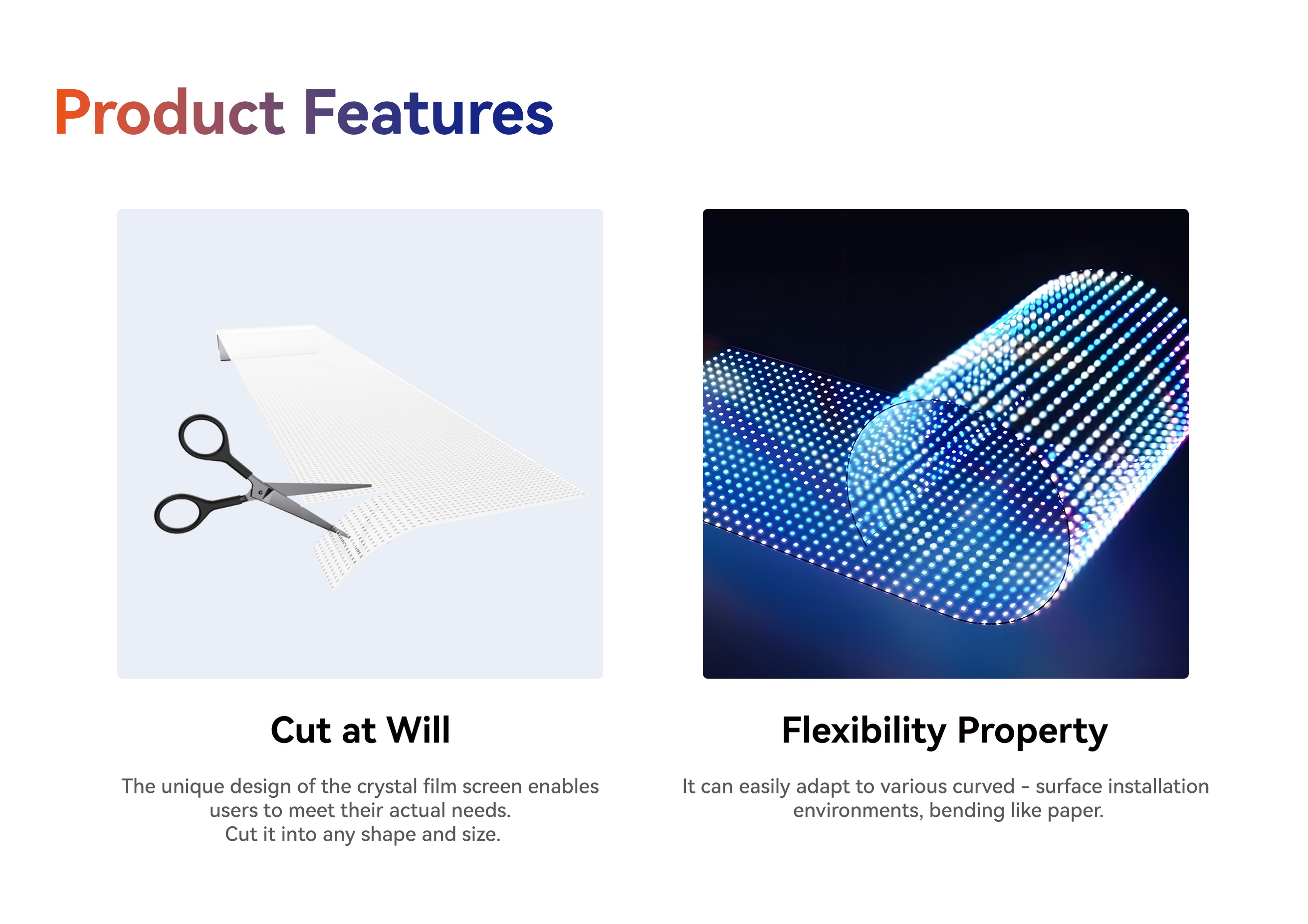
LEDLINO’s LED crystal film product uses transparent PET-based material and allows the display to be adhered directly to glass. Its flexible construction can also adapt to certain curved surfaces. 丽诺视界
The company’s dedicated Led Film Screen for glass page positions the technology for retail, hospitality, and corporate environments where businesses want dynamic digital content without replacing the underlying glass architecture. 丽诺视界
Why Glass Window Advertising Needs Transparent LED Technology
A retail window has two functions.
It must communicate with customers outside the store, but it must also allow people to see the products and environment inside.
A conventional opaque screen forces a compromise.
If the screen covers the glass, digital content becomes visible but the store interior disappears. If no screen is installed, the glass stays open but the retailer loses a valuable digital media surface.
Transparent LED film combines these two functions.
Businesses can use the window for:
- Product advertising
- Brand storytelling
- Seasonal campaigns
- New product launches
- Pricing promotions
- Event information
- Dynamic graphics
- Digital art
while still maintaining a degree of transparency through the glass.
This makes transparent film especially attractive for premium retail and architectural projects where the window itself is part of the design.
Key Advantage 1: High Transparency
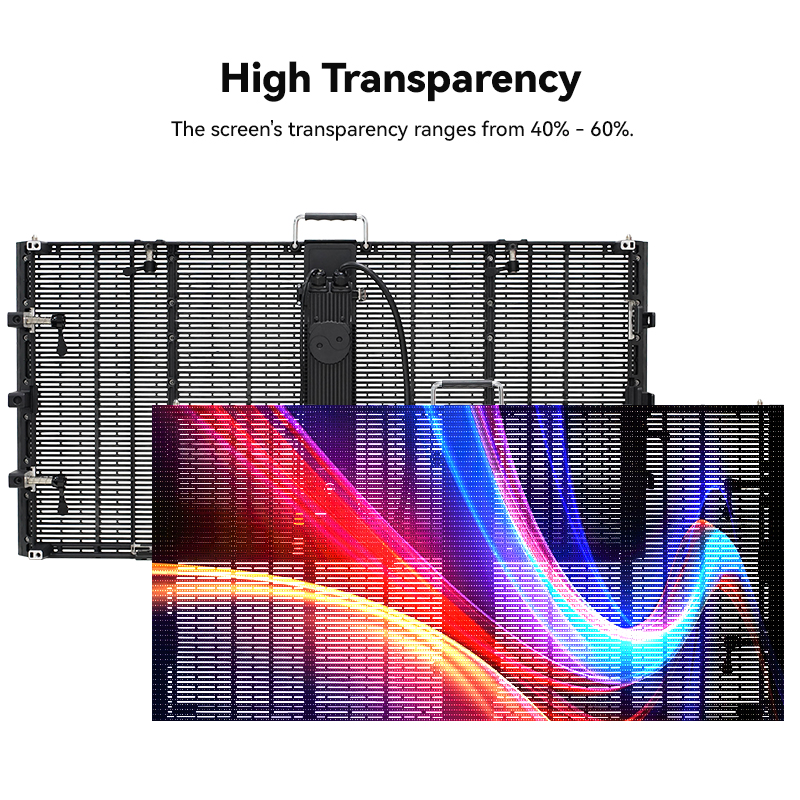
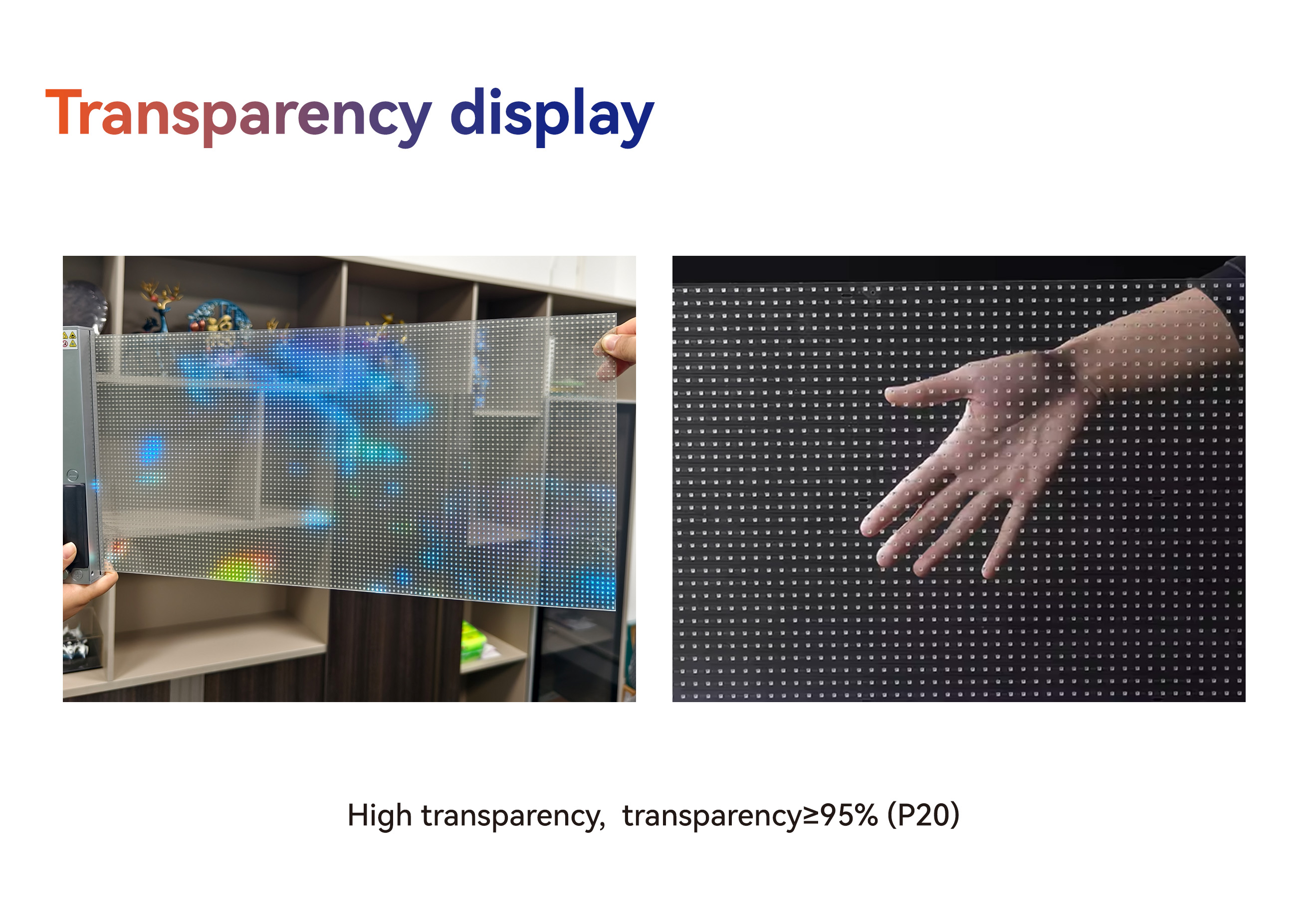
Transparency is one of the most important reasons to choose LED film.
LEDLINO’s current crystal film specifications show transparency levels ranging from approximately 85% to 95% depending on pixel pitch and configuration, with some higher-pitch products reaching the highest transparency values.
This allows natural light and background visibility to pass through the screen.
For retail stores, that means customers can still see:
- Products behind the window
- Interior lighting
- Store decoration
- Staff and customers
- Architectural details
while the LED surface displays moving digital content.
This is fundamentally different from installing a solid video wall behind the glass.
Key Advantage 2: Ultra-Thin Design
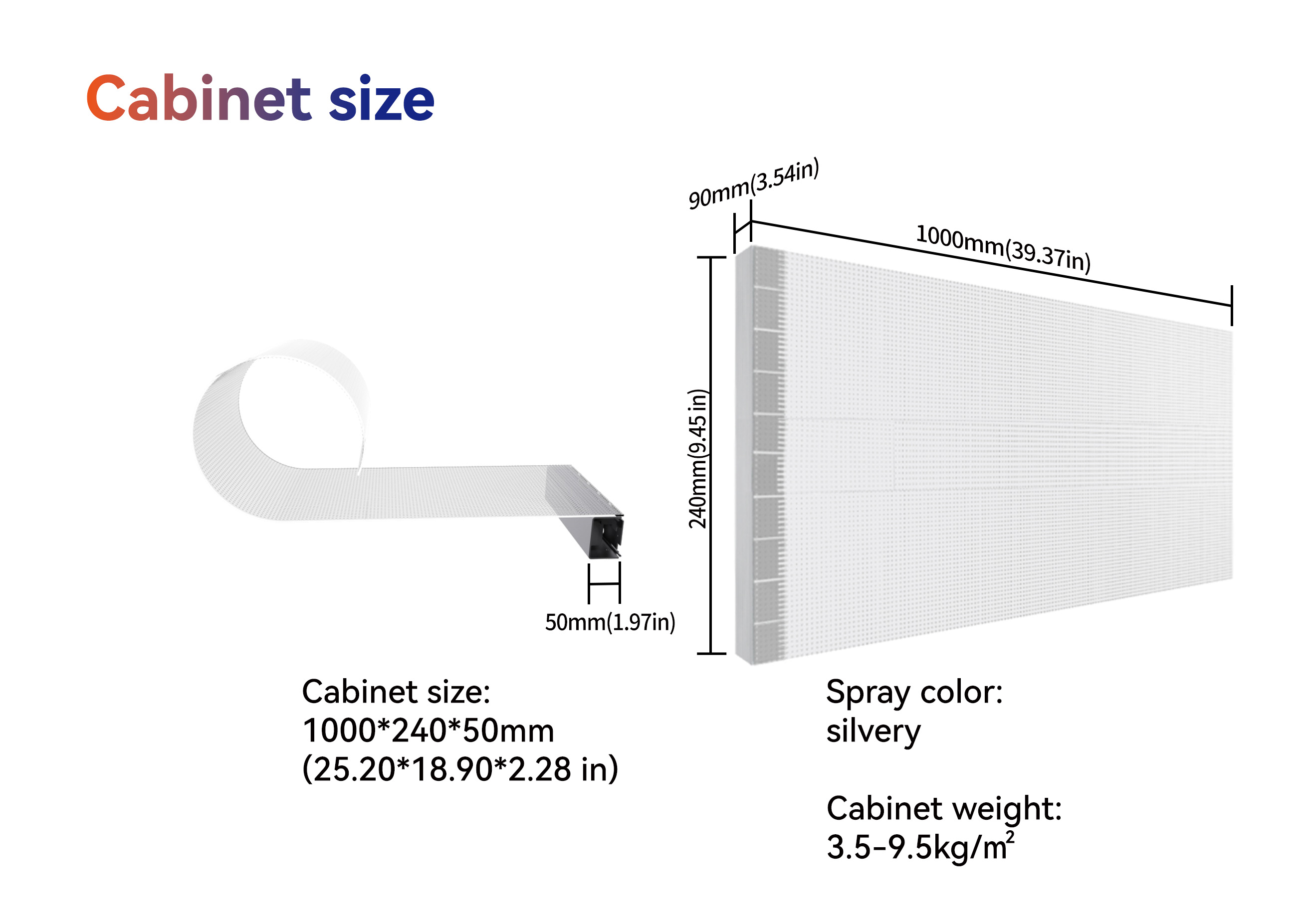
LEDLINO describes its crystal film screen as approximately 3 mm thick. 丽诺视界
That ultra-thin structure is valuable when the project does not have enough space for a conventional LED cabinet.
In a shop window, for example, every centimeter of space matters.
A bulky screen can interfere with:
- Merchandise display
- Window decoration
- Customer sightlines
- Interior layout
An LED film display sits much closer to the glass, allowing the digital content to become part of the window rather than looking like a separate monitor installed behind it.
Key Advantage 3: Lightweight Construction
Traditional LED cabinets require structural support because the cabinet, power system, frame, and modules add significant weight.
Transparent film displays are much lighter.
LEDLINO’s published crystal film technical table lists screen weight at ≤4.5 kg/m², depending on configuration. 丽诺视界
Lower weight can reduce the need for heavy steel structures and make installation more practical in existing retail environments.
This is particularly useful when the glass or building was not originally designed to support a conventional LED video wall.
Key Advantage 3: Lightweight Construction
Traditional LED cabinets require structural support because the cabinet, power system, frame, and modules add significant weight.
Transparent film displays are much lighter.
LEDLINO’s published crystal film technical table lists screen weight at ≤4.5 kg/m², depending on configuration. 丽诺视界
Lower weight can reduce the need for heavy steel structures and make installation more practical in existing retail environments.
This is particularly useful when the glass or building was not originally designed to support a conventional LED video wall.