




Outdoor LED Screen High Brightness: How to Choose a Sunlight-Readable Display for Outdoor Advertising
Outdoor Led Screen High Brightness: Why Brightness Matters Outdoors
The keyword Outdoor Led Screen high brightness targets one of the most important technical questions in outdoor digital signage: how bright does a screen need to be to remain readable in daylight?
Indoor Led Displays operate under controlled lighting. Outdoor screens do not. They may face direct sunlight, cloudy weather, reflections from glass and buildings, strong street lighting, rain, and large changes in ambient brightness throughout the day.
If the screen is too dim, advertising loses contrast and becomes difficult to read. If the screen is excessively bright, nighttime viewing can become uncomfortable and power consumption can increase unnecessarily.
For this reason, brightness should be treated as part of a complete outdoor display system rather than a single maximum-nit number.
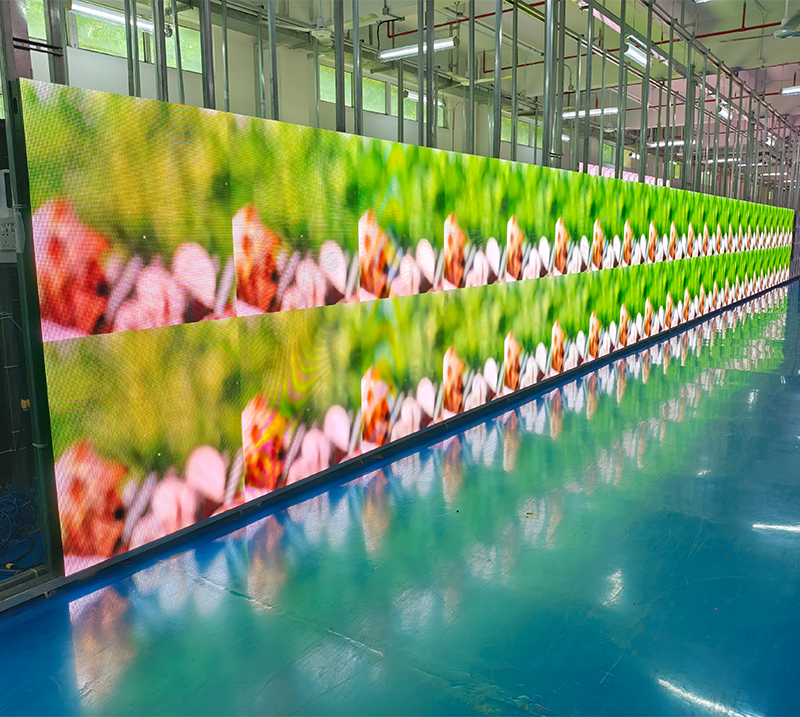
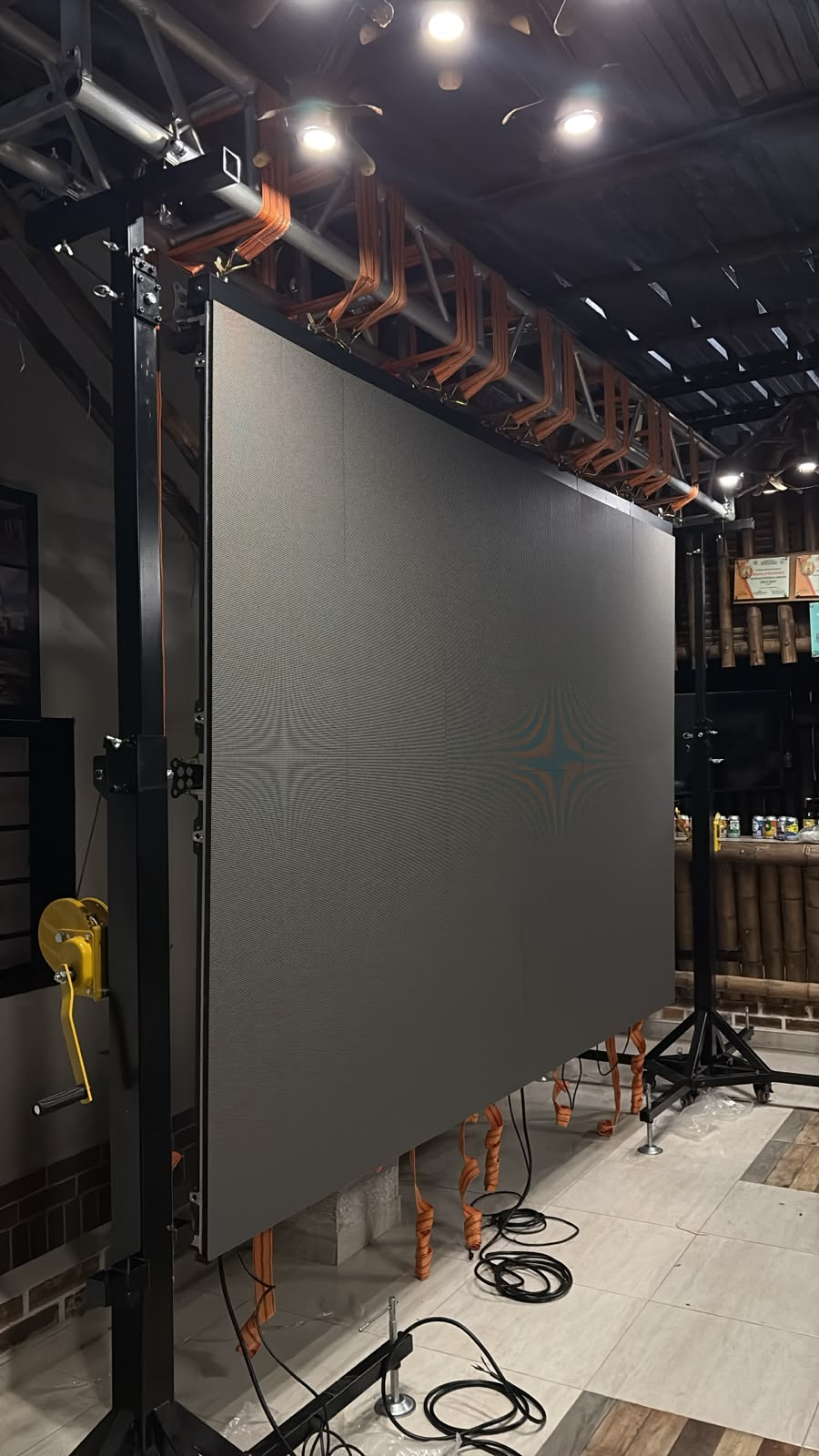
LEDLINO’s outdoor display page characterizes Outdoor Led Screens by high brightness, water and dust resistance, durability, high-definition display, wide viewing angle, and energy efficiency.
What Does High Brightness Mean for an Outdoor Led Screen?
LED display brightness is typically measured in nits, equivalent to candela per square meter.
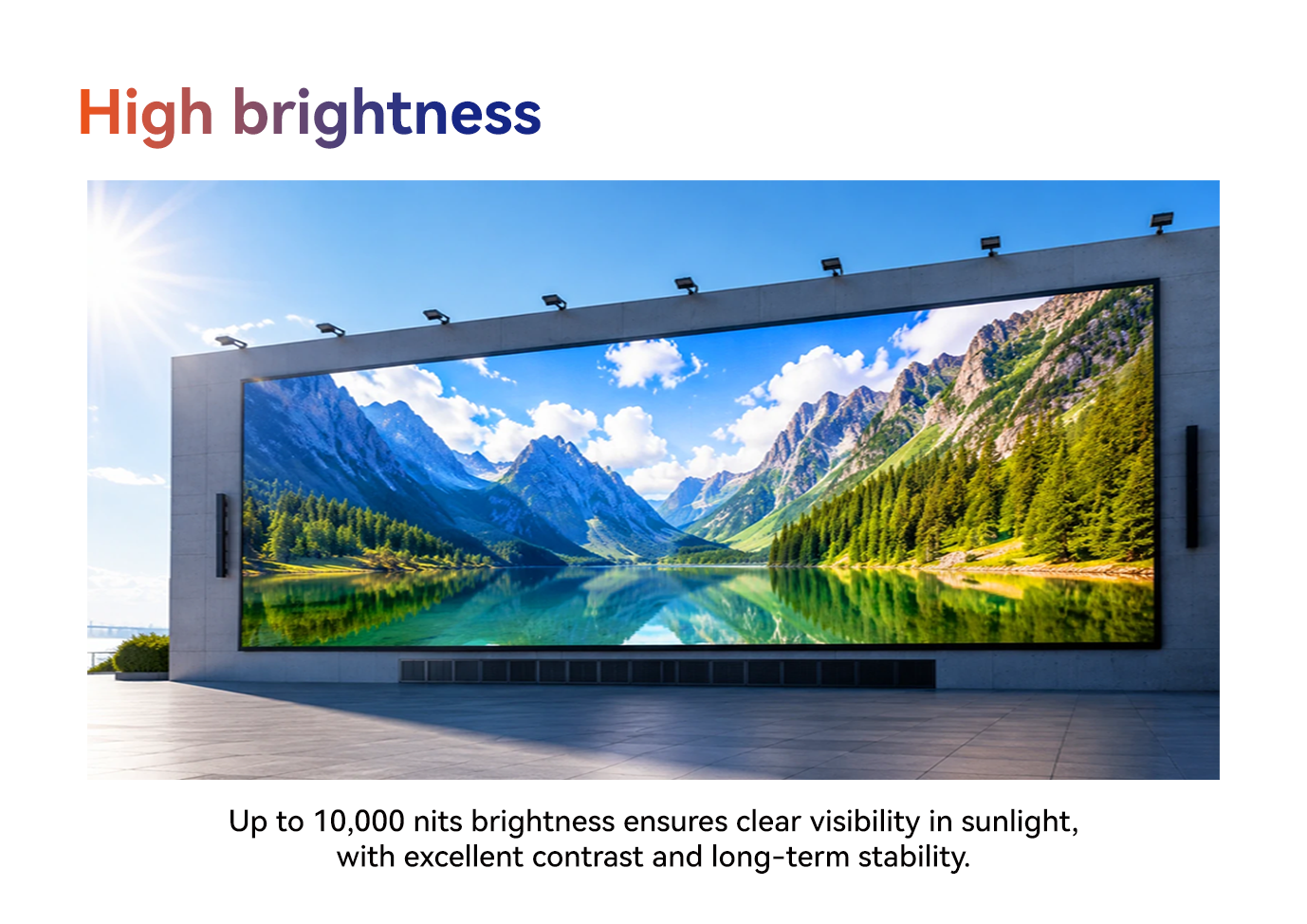
A high-brightness Outdoor Led Display produces enough light output to maintain visible content under strong ambient light.
LEDLINO currently lists 4000–8000 nits across its outdoor P2.5–P10 product range. Lino Vision
That does not mean every project should operate at 8000 nits continuously.
The required brightness depends on:
- Installation direction
- Direct sunlight exposure
- Local climate
- Time of operation
- Screen size
- Viewing distance
- Content contrast
- Surrounding buildings
- Local lighting regulations
A screen installed in full sunlight on an exposed west-facing façade may need stronger peak brightness than one mounted in a shaded commercial street.
Why 5000–6000 Nits Is Common in Outdoor Advertising
LEDLINO lists a module brightness specification of approximately 5000–6000 cd/m² on its outdoor product page. Lino Vision
This range is commonly relevant to many outdoor billboard applications because it provides strong daylight visibility without automatically requiring the highest possible output.
It can be suitable for:
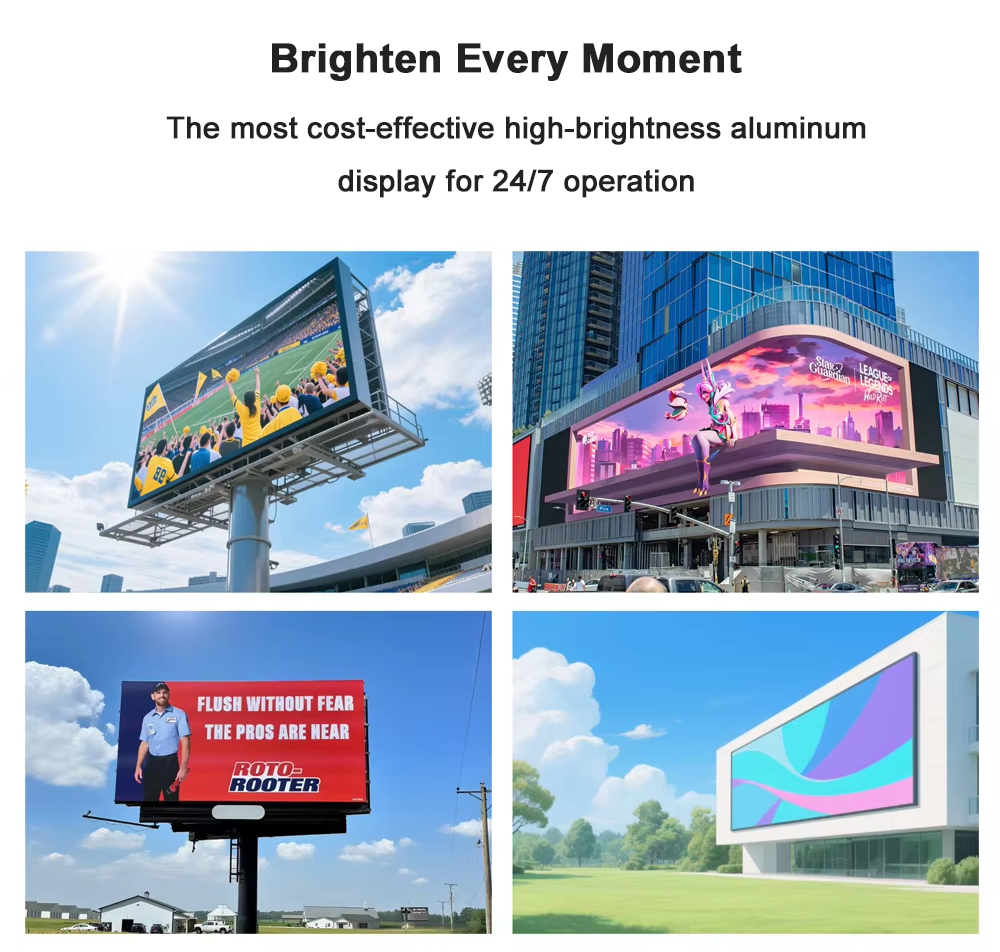
- Shopping mall exteriors
- Commercial building façades
- Public squares
- Roadside signs
- Stadium areas
- Outdoor event advertising
The correct level still depends on the exact site.
For projects exposed to particularly intense sunlight or requiring premium long-distance visibility, higher-brightness configurations may be appropriate.
High Brightness Is Not the Same as High Image Quality
One of the biggest buying mistakes is assuming that the brightest display automatically has the best image.
Brightness is only one part of perceived image quality.
A professional outdoor LED screen also needs:
- Strong contrast
- Accurate color
- Good grayscale
- Uniform brightness
- High refresh rate
- Stable calibration
- Correct content design
LEDLINO’s outdoor screen page lists brightness uniformity of at least 97%, contrast ratios from 2000:1 to 5000:1, and high-refresh/high-grayscale image performance on the relevant product line. Lino Vision
A screen with high maximum brightness but poor uniformity can look patchy. A screen with poor contrast may still appear washed out even if its nit rating is high.