



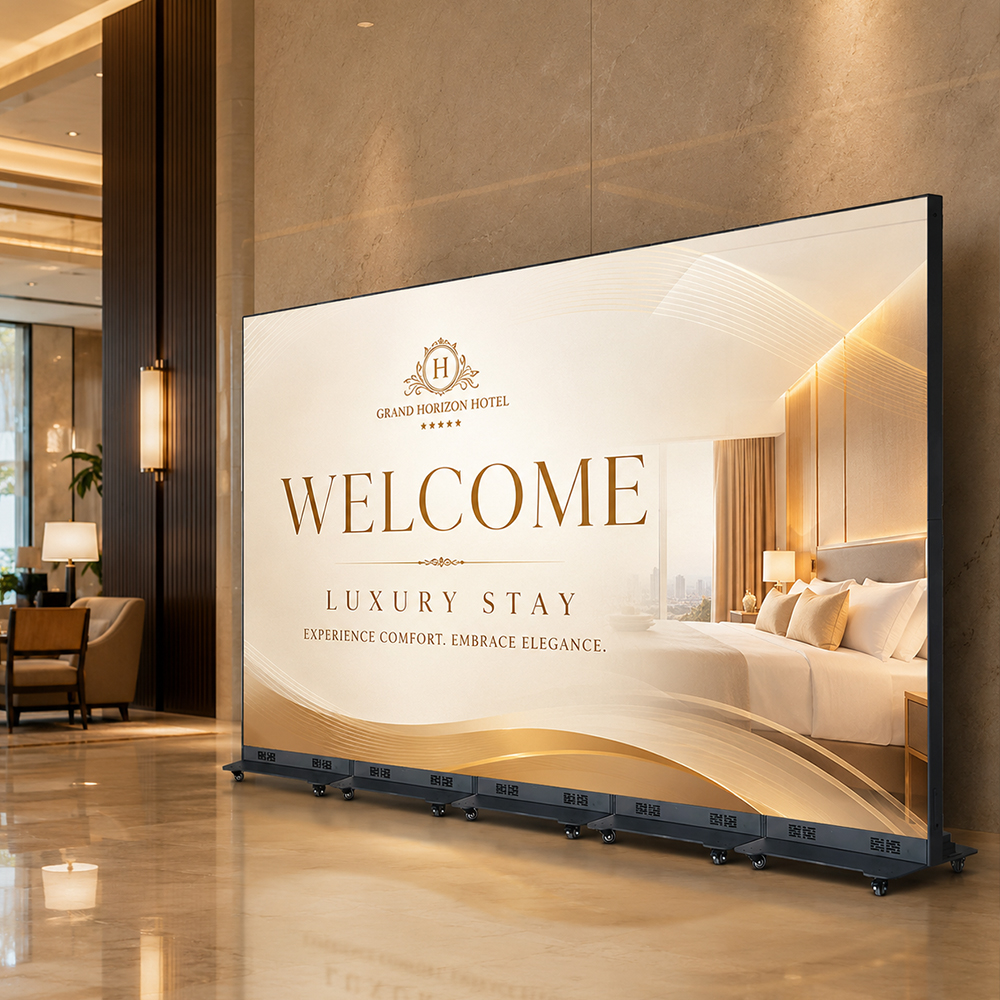
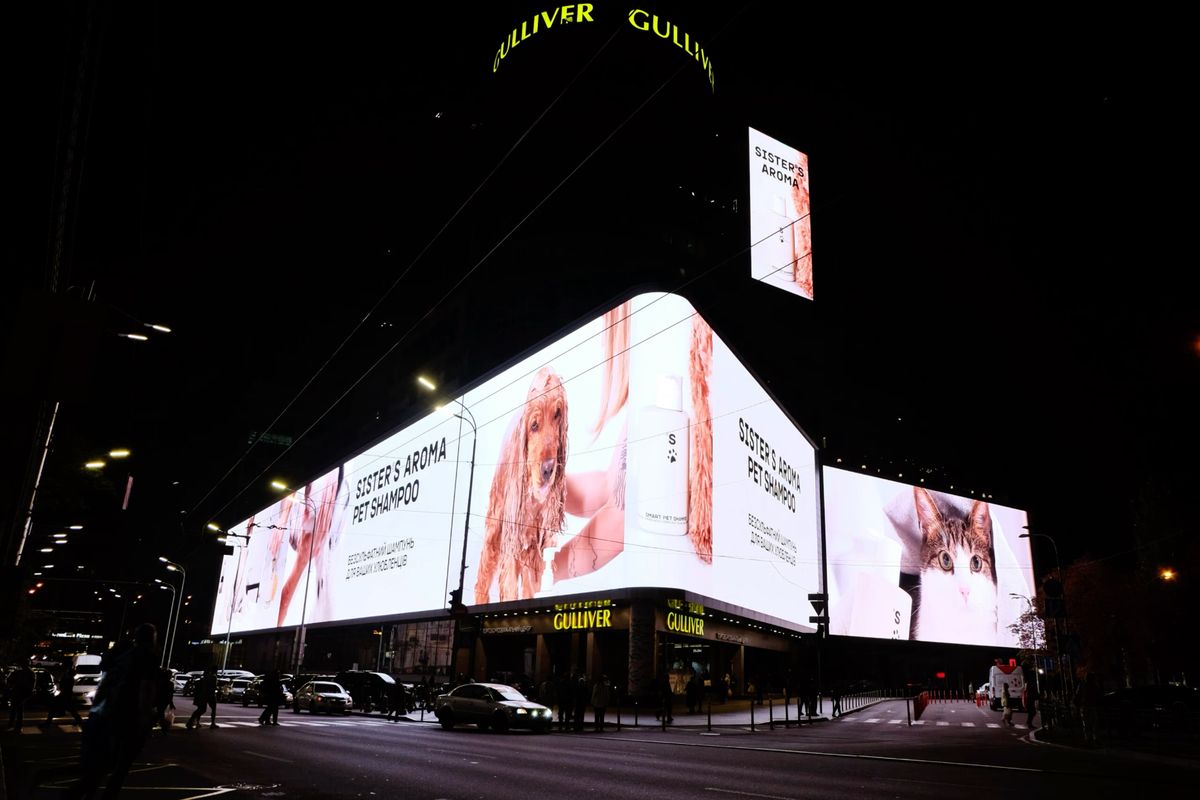

Stage LED Screen for Concert: How to Choose the Best Rental LED Video Wall for Live Performances
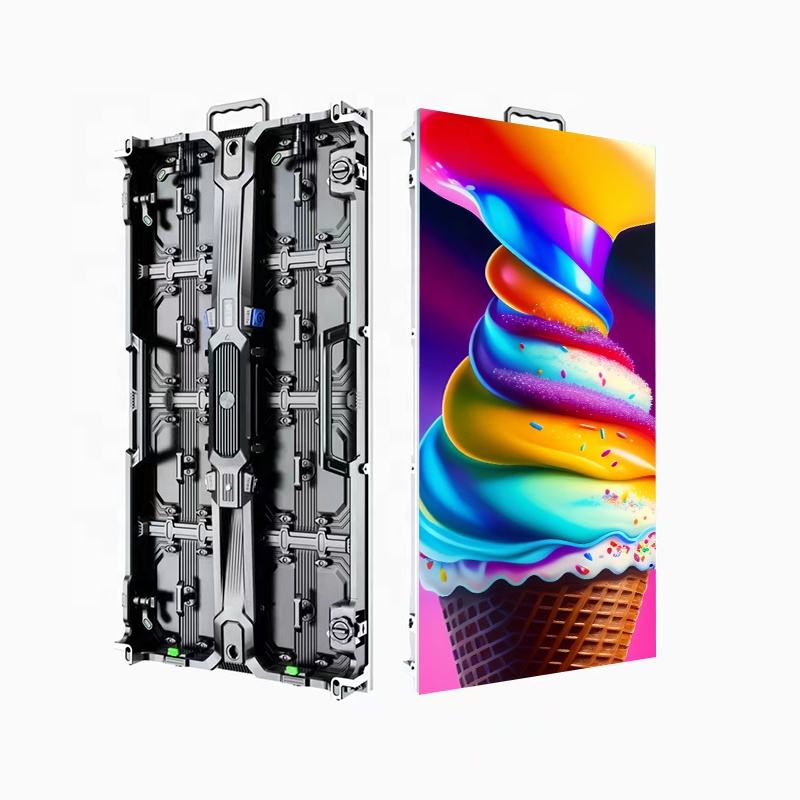
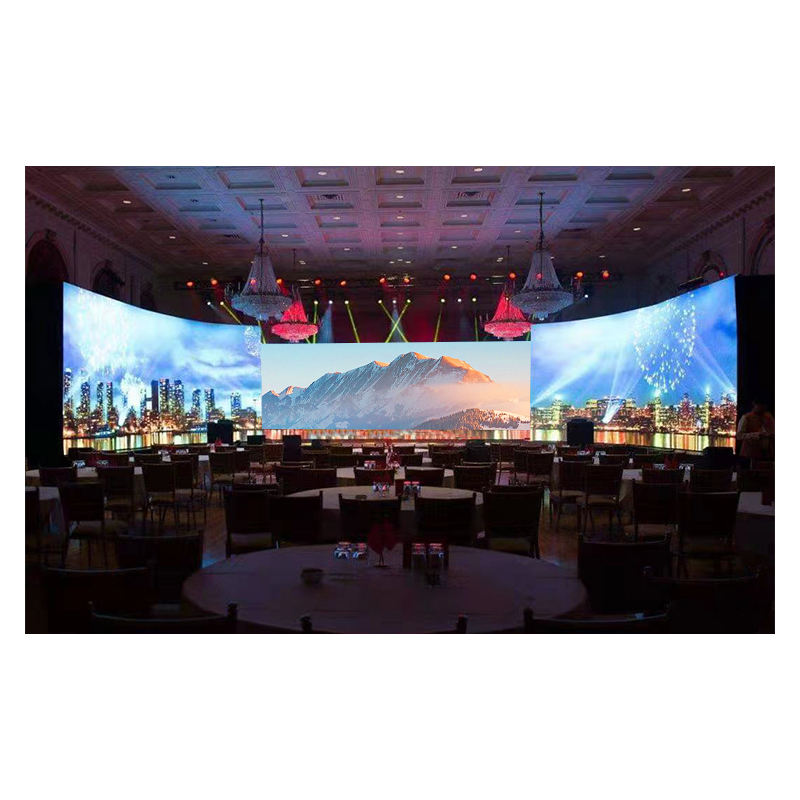
Stage led screen for Concert: The Ultimate Guide to Professional Live Event Displays
A successful concert is no longer defined by music alone. Lighting, stage architecture, live video, motion graphics, and digital backgrounds all play an important role in creating a memorable audience experience.
For concert producers, stage designers, rental companies, and event organizers, the stage led screen for concert has become a central part of modern stage production.
Unlike traditional printed stage backdrops or projection systems, concert led screens can display high-brightness video, real-time camera feeds, animated graphics, artist visuals, sponsor advertising, and synchronized multimedia content.
A professionally designed concert led video wall can transform a simple performance space into a visually immersive environment.
However, choosing the correct screen involves more than selecting a large display. Pixel pitch, brightness, refresh rate, cabinet structure, screen weight, installation method, weather protection, and serviceability all affect the final result.
This guide explains how to select a professional stage led screen and why the right display system matters for concerts, music festivals, and touring productions.
What Is a Stage led screen for Concerts?
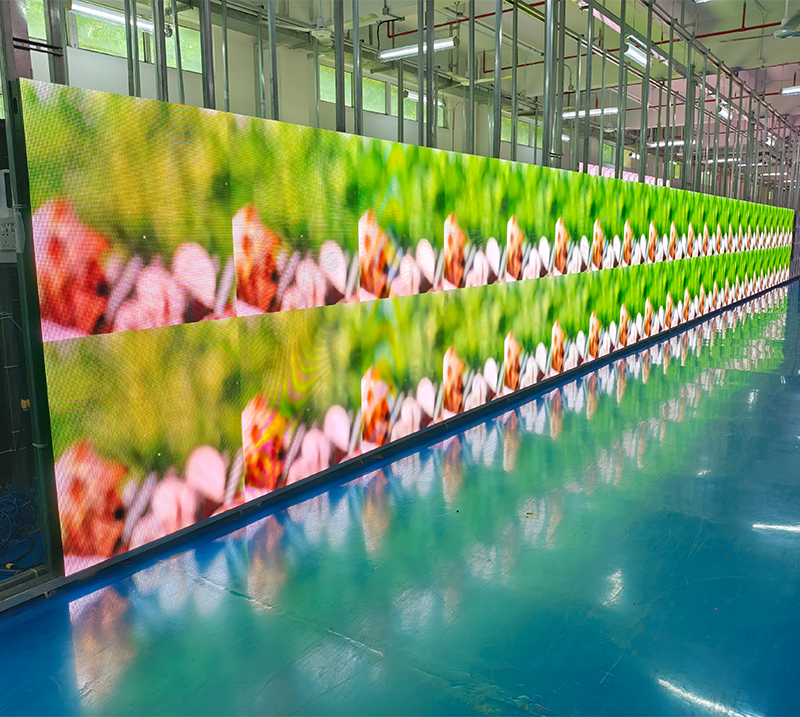
A stage led screen is a modular direct-view LED display specifically designed to present digital visual content during live performances.
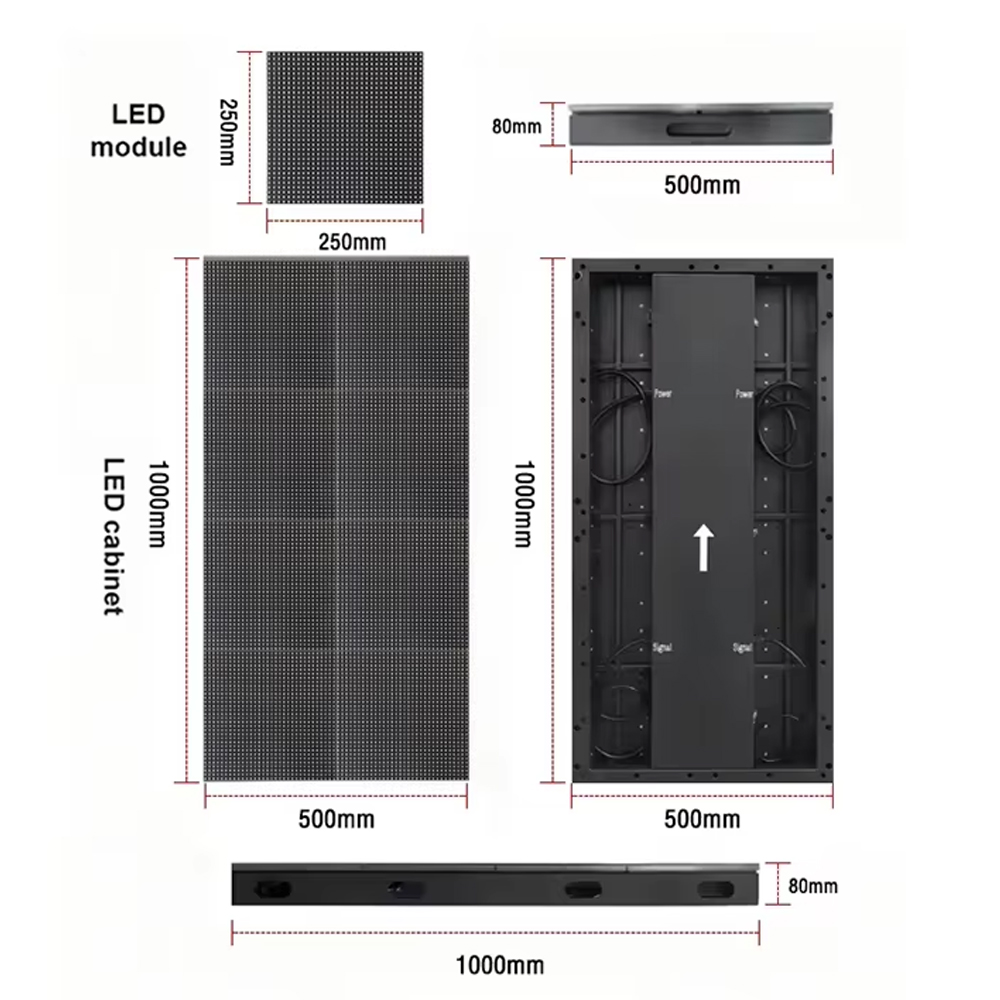
It is usually assembled from individual LED cabinets connected to create a large video wall.
Depending on the concert design, the screen may be installed as a main stage backdrop, suspended display, side screen, curved stage structure, vertical video column, or creative scenic element.
Professional Stage Rental Led Screens are engineered for temporary installation, repeated transportation, fast assembly, and convenient maintenance.
This makes them different from permanent indoor LED walls used in conference rooms or fixed commercial installations.
LEDLINO's complete guide to LED rental displays explains that rental screens are developed specifically for applications requiring portability, quick installation, and repeated event use.
Why Concerts Need High-Quality LED Stage Screens
Concert audiences expect much more than a static performance background.
Large events combine music, lighting, visual effects, live camera feeds, stage movement, and synchronized multimedia content.
An LED stage screen can support all these elements through one flexible digital platform.
Stronger Visual Impact
Large LED backdrops create vivid visual environments that can change instantly between songs.
Better Audience Visibility
Side LED screens can show close-up camera feeds of performers, helping audiences farther from the stage follow the performance.
Flexible Stage Themes
One concert may require multiple visual styles. LED displays allow backgrounds to change without rebuilding the physical scenery.
More Creative Stage Design
Curved screens, vertical LED columns, panoramic backdrops, and layered video walls allow stage designers to create distinctive visual environments.
Improved Production Flexibility
Digital content can be updated according to the artist, song, event, or sponsor campaign.
For touring productions, the same LED hardware can be reused across different venues with different stage configurations.
1. Choosing the Right Pixel Pitch for Concert LED Screens
Pixel pitch is one of the most important technical specifications when selecting a stage LED display.
Pixel pitch refers to the distance between adjacent LED pixels, measured in millimeters.
A smaller pixel pitch produces higher pixel density and greater image detail.
A larger pixel pitch is generally more economical for long-distance viewing.
For concert applications, the correct pitch depends on audience distance, screen size, stage layout, camera requirements, and budget.
P2.6 Stage LED Screen
P2.6 is suitable for indoor concerts and professional events where audiences may be relatively close to the screen.
It provides detailed image reproduction for artist visuals, stage graphics, product presentations, and live camera feeds.
Typical uses include indoor concert halls, music clubs, television performances, product launches, and smaller professional stages.
LEDLINO's Indoor P2.6 Rental LED Screen Installation Case demonstrates the application of a fine-pitch rental display in temporary stage and event environments.
P2.97 Stage LED Screen
P2.97 offers a balance between image quality and project cost.
It can be used for indoor concerts, medium-sized stages, corporate performances, and exhibition events.
For rental companies serving a variety of indoor events, this pitch provides practical versatility.
P3.91 Stage LED Screen
P3.91 is a widely used rental LED pixel pitch for concerts and festivals.
It offers a balance of display resolution, equipment cost, and suitable viewing distance.
Typical applications include concerts, music festivals, medium-to-large stage backdrops, and outdoor event screens.
P4.81 Stage LED Screen
P4.81 is suitable for larger viewing distances where ultra-fine image detail is less important.
It can be an economical option for outdoor concerts, large music festivals, public entertainment events, and stage screens viewed from farther away.
Pixel Pitch Comparison
| Pixel Pitch | Typical Application | Main Advantage |
|---|---|---|
| P2.6 | Close-viewing indoor concerts | Fine image detail |
| P2.97 | Indoor stages and events | Balanced resolution and cost |
| P3.91 | Concerts and music festivals | Versatile rental configuration |
| P4.81 | Large outdoor events | Economical long-distance viewing |
These are application guidelines rather than fixed viewing-distance guarantees. Final selection should consider the nearest audience position and content requirements.
2. Indoor vs Outdoor Concert LED Screens
One of the most important purchasing decisions is whether the display will be used indoors or outdoors.
Although the screen structure may look similar, the operating requirements are different.
Indoor Concert LED Screens
Indoor concerts usually take place in controlled lighting conditions.
The screen therefore does not need the same brightness as an outdoor billboard.
Key priorities include fine image detail, contrast, smooth playback, camera compatibility, lightweight construction, and fast installation.
LEDLINO's quick-install rental screen product information lists indoor configurations with brightness around 600–800 cd/m².
Actual brightness requirements should be selected according to stage lighting, camera exposure, and venue conditions.
Outdoor Concert LED Screens
Outdoor music festivals face more demanding conditions.
Screens may operate in sunlight, rain, dust, heat, and changing weather.
Outdoor models therefore require suitable brightness, weather protection, structural stability, and heat dissipation.
LEDLINO's quick-install rental series lists outdoor brightness configurations around 3500–4500 cd/m², while its detailed product specifications include other outdoor brightness options.
The actual specification depends on the selected model.
Indoor vs Outdoor Comparison
| Feature | Indoor Concert LED | Outdoor Concert LED |
|---|---|---|
| Main Priority | Image detail and camera performance | Daylight visibility and weather protection |
| Brightness | Moderate, adjustable | Higher outdoor brightness |
| Weather Protection | Indoor-rated structure | Outdoor-rated construction |
| Pixel Pitch | Often smaller | Often medium or larger |
| Common Uses | Concert halls, theaters, clubs | Festivals, stadiums, outdoor stages |
For outdoor music festivals, always confirm the IP rating of the complete system, including cabinets, connectors, cabling, and electrical distribution.
3. High Refresh Rate for Live Cameras and Broadcasts
Modern concerts are extensively photographed, filmed, and livestreamed.
Professional cameras capture performers against LED backgrounds, while audience members record videos using smartphones.
If the LED screen has unsuitable refresh or scanning characteristics, camera footage may show flicker or horizontal bands.
This is why high refresh rate is an important specification for concert LED screens.
LEDLINO's quick-install rental display series lists a refresh frequency of at least 3840Hz, while its flexible curved rental screen series includes configurations up to 7680Hz.
Higher refresh rates can improve camera compatibility and reduce visible scanning artifacts.
However, LED refresh rate is different from source-video frame rate. Reliable camera performance also depends on the LED driver, scan method, PWM behavior, camera shutter settings, frame synchronization, and video processing.
For professional concerts, screen-camera testing during production setup is strongly recommended.
4. Lightweight Die-Cast Aluminum Cabinets
Concert LED screens may contain dozens or hundreds of cabinets.
The combined weight affects transport, rigging design, labor requirements, installation time, and total production cost.
LEDLINO's rental display range uses die-cast aluminum cabinets designed for dimensional accuracy, structural strength, lightweight handling, and repeated assembly.
The material helps maintain cabinet flatness and provides a practical balance between mechanical durability and portability.
Lightweight construction is especially valuable for touring performances where equipment is loaded, transported, installed, dismantled, and reused frequently.
However, screen weight must always be calculated together with hanging hardware, frames, cables, and associated rigging equipment.
5. Quick-Lock Installation for Faster Stage Setup
Time is critical in live event production.
Concert crews often work within limited venue access windows, especially when staging, lighting, sound, video, and rigging teams operate simultaneously.
A rental LED screen should therefore support fast cabinet alignment and connection.
LEDLINO's flexible rental LED screen uses positioning posts and quick-lock systems to simplify cabinet assembly.
This design helps reduce installation complexity and makes repeated deployment more efficient.
A well-designed rental system can support:
-
Faster cabinet positioning
-
Reduced alignment errors
-
Easier screen expansion
-
Efficient dismantling
-
More consistent installation quality
For event rental businesses, reduced setup time can lower labor demands and improve equipment utilization.
6. Front and Rear Maintenance
Live events cannot easily tolerate screen downtime.
If a module, power supply, or connection develops a problem, the technical team needs convenient service access.
Professional rental LED cabinets often support both front and rear maintenance.
LEDLINO's quick-install and flexible rental screen products highlight this dual-maintenance capability.
Front service is valuable when the screen is close to scenic structures or rear access is restricted.
Rear service can be useful for suspended walls and stage systems where technicians have safe access behind the display.
For concert productions, buyers should confirm which components can actually be serviced from each side, not merely whether the product is advertised as front-service compatible.
7. Curved LED Screens for Creative Concert Stages
Traditional flat LED backdrops remain popular, but concert stage design increasingly uses curved and three-dimensional display structures.
A curved screen can create a more immersive visual background and follow the shape of the performance stage.
LEDLINO's Flexible Rental LED Screen – Curved Installation supports compatible curved arrangements and a stated angular arc capability of up to ±30° for its flexible series.
Potential stage designs include:
-
Concave LED backdrops
-
Convex stage screens
-
Panoramic visual walls
-
Curved DJ stages
-
Immersive performance environments
-
Creative modular screen arrangements
Curved screen projects require proper cabinet compatibility, viewing-angle analysis, content mapping, and approved structural support.
Not every standard flat cabinet can be safely curved.
8. Seamless Splicing for Large Concert Video Walls
Large concert screens are assembled from individual LED cabinets.
If cabinet alignment is poor, visible gaps, uneven surfaces, and inconsistent image sections may appear.
High-precision cabinet structures and reliable connections help create a continuous visual surface.
Seamless splicing is particularly important for concert content featuring large graphics, cinematic scenes, moving backgrounds, and live camera images.
A well-calibrated video wall should also maintain consistent brightness and color across cabinets.
For professional stage production, cabinet flatness and image calibration should be checked after installation and before the show.
9. Main Concert LED Screen Configurations
Different stage layouts require different screen structures.
Main Stage LED Backdrop
The main LED backdrop sits behind the performers.
It can display music videos, animations, stage graphics, artist branding, and immersive scenery.
Side LED Screens
Side screens are positioned beside the main performance area.
They often display live camera feeds, helping audiences farther from the stage see the performers.
Hanging LED Screens
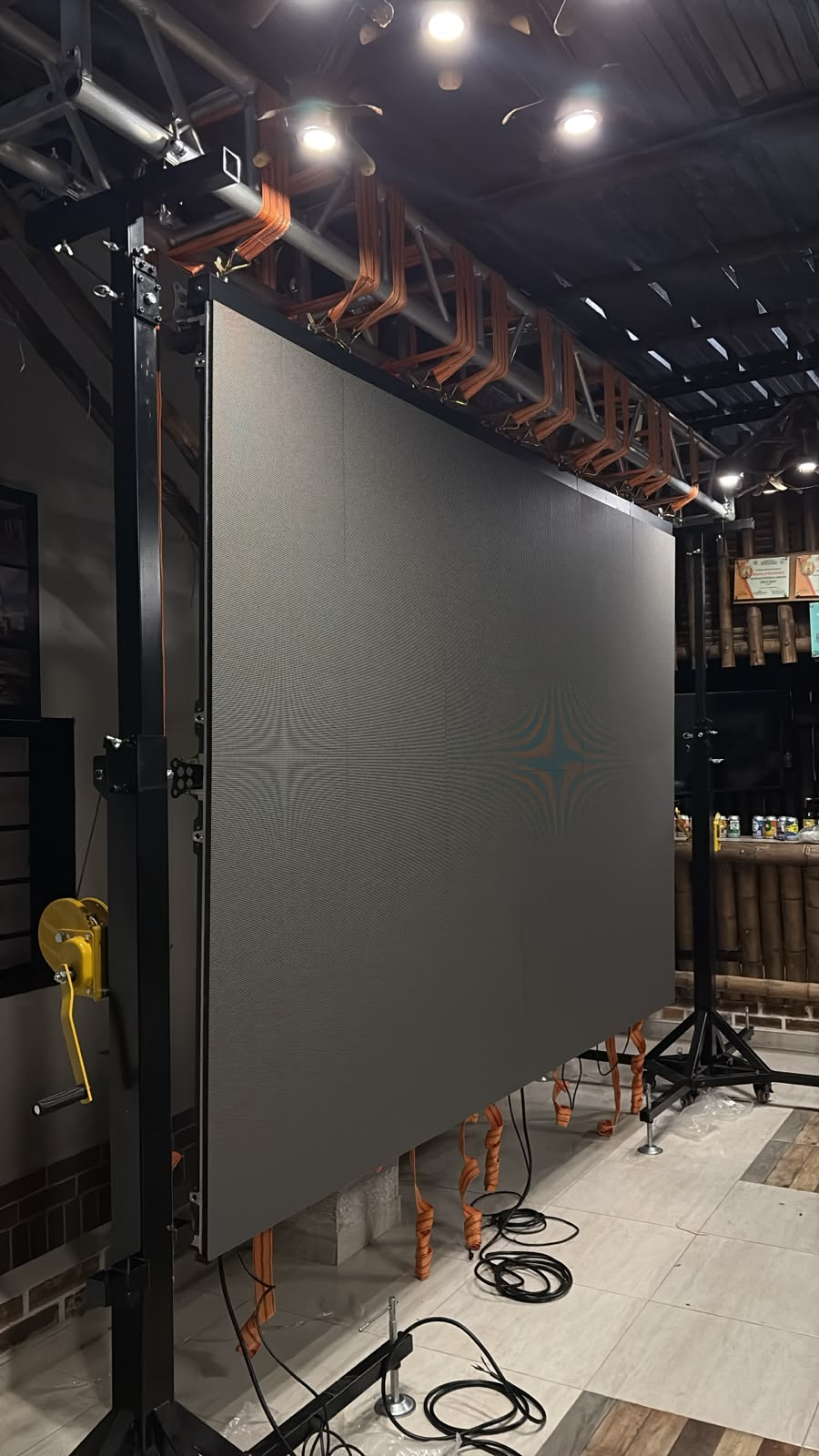
Suspended screens can be used above or around the stage when approved rigging structures are available.
They can create additional visual layers without occupying floor space.
Curved LED Video Walls
Curved LED screens provide greater creative freedom for stage design and digital scenery.
LED Columns and Vertical Screens
Vertical displays can create layered stage effects, visual rhythm, and a more distinctive performance environment.
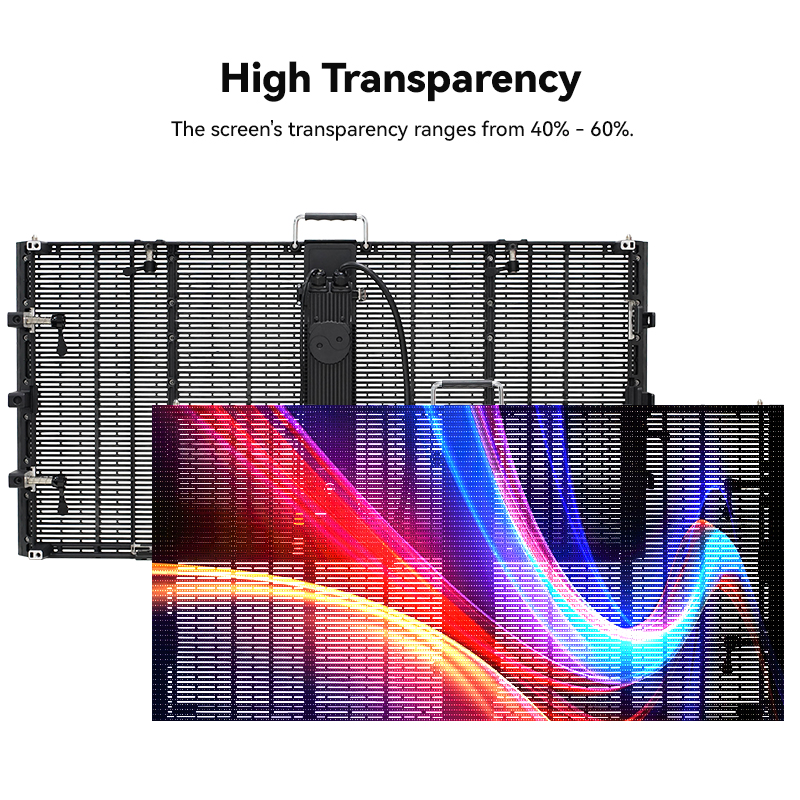
Transparent Stage LED Screens
Transparent LED screens can allow lighting and scenic elements to remain visible behind the display, creating layered visual effects.
The best configuration depends on concert size, audience layout, stage architecture, lighting positions, and production objectives.
10. How LED Screens Work with Stage Lighting
A concert LED screen should not be designed separately from the lighting system.
Both systems contribute to the overall visual environment.
Very bright LED content can overpower performers, while unsuitable LED and lighting combinations can reduce the contrast of stage scenery.
Professional production teams should coordinate display brightness, color, visual content, and lighting cues.
The goal is to create a balanced environment where the performers remain visible while the LED screen supports the emotional energy of the music.
For camera-based events, LED brightness and stage lighting should also be adjusted together during rehearsal.
11. Video Processing and Content Synchronization
A professional concert LED wall is part of a complete video system.
The workflow may include:
Media Server → Video Processor → LED Sending System → Receiving Cards → LED Cabinets
Live camera feeds may also pass through a production switcher before reaching the LED processor.
Depending on the event, the system may need to display:
-
Artist videos
-
Motion graphics
-
Live camera feeds
-
Song-specific animations
-
Sponsor content
-
Multiscreen effects
-
Synchronized stage visuals
For touring productions, the video system should be configured for reliable signal distribution and predictable content mapping.
A high-quality LED screen cannot compensate for poor source content or incorrect processor settings.
12. LED Screen Resolution and Content Design
A large stage LED wall is not automatically a 4K screen.
The actual native resolution depends on pixel pitch and physical dimensions.
For example, a screen that is 8 meters wide with approximately 3.91mm pixel pitch would have roughly 2,046 horizontal pixels before cabinet-size adjustments.
Its final resolution must be calculated from the actual module layout.
For concert productions, designers should prepare content according to the exact LED canvas dimensions and processor mapping.
This helps avoid unnecessary scaling, distorted aspect ratios, cropped visuals, and blurred text.
Screen size, LED resolution, and visual content should therefore be planned together before the event.
13. Weather Protection for Outdoor Music Festivals
Outdoor concerts introduce environmental risks that indoor events do not normally face.
Rain, wind, dust, humidity, temperature changes, and direct sunlight can affect screen operation.
A suitable outdoor rental display needs weather-rated construction and proper electrical connections.
However, an IP-rated LED cabinet alone does not make the entire installation weatherproof.
The complete system must also consider power distribution, connectors, cable management, structural support, and emergency procedures.
Outdoor concert screens should be installed under a weather and wind-management plan developed by qualified production personnel.
14. Stage LED Screen Installation Safety
Safety is a fundamental part of concert screen design.
Large LED video walls can impose significant loads on trusses, ground-support structures, and temporary stages.
Before installation, the project team should verify:
-
Total assembled screen weight
-
Manufacturer-approved hanging or stacking limits
-
Structural load capacity
-
Rigging hardware compatibility
-
Wind exposure
-
Electrical load
-
Cable routing
-
Emergency access
-
Local venue regulations
Suspended displays should be designed and installed by qualified rigging professionals using approved components.
Fast installation is important, but it must never replace proper structural inspection and safety procedures.
15. Concert LED Screen vs Projector
Projectors remain useful for some stage applications, but direct-view LED displays offer several advantages for concert production.
A projector relies on reflected light, while an LED display generates its own light.
LED displays can therefore be more practical for stages with strong ambient lighting.
They also allow modular construction and custom layouts without requiring a long projection throw distance.
Projectors may still be useful for scenic projection mapping or applications where image placement is more important than LED brightness.
For large live-performance backdrops, LED displays are often preferred when brightness, flexibility, and visual impact are priorities.
16. How Much Does a Concert LED Screen Cost?
The cost of a concert LED screen depends on more than the price of individual LED panels.
Important cost factors include:
-
Indoor or outdoor configuration
-
Pixel pitch
-
Total screen area
-
Cabinet quantity
-
Brightness
-
Refresh rate
-
Curved or flat structure
-
Video processing equipment
-
Rigging or ground support
-
Flight cases
-
Spare modules
-
Shipping
-
Installation labor
-
Technical support
For rental companies purchasing equipment, long-term operating costs are particularly important.
A cheaper cabinet may become expensive if it requires more labor, experiences frequent damage, or takes longer to service.
A more useful comparison considers the total cost of ownership across repeated events.
17. Renting vs Buying Concert LED Screens
Whether to rent or purchase LED stage screens depends on how frequently the equipment will be used.
Renting May Be Better When:
-
The event is occasional
-
The stage configuration changes significantly
-
The organizer does not maintain a technical crew
-
Storage space is limited
-
The project requires specialized equipment for one production
Buying May Be Better When:
-
The company organizes frequent events
-
The equipment will be reused regularly
-
The operator has installation and maintenance expertise
-
The screen will support multiple rental projects
-
Long-term utilization justifies the investment
For production companies, buying rental-grade LED cabinets can create a reusable business asset.
For one-time concert organizers, renting from a qualified local production company may be more practical.
18. Why Choose Lino Visino for Concert LED Displays?
A concert LED project involves much more than display panels.
Successful deployment requires suitable pixel pitch, cabinet design, video processing, structural planning, installation guidance, and long-term service support.
Lino Visino offers stage and rental LED display solutions designed for temporary professional applications.
The company's official product range includes quick-install rental screens, flexible curved rental screens, and other event-display solutions.
Its rental products emphasize:
-
Die-cast aluminum cabinet construction
-
Quick installation
-
Multiple pixel-pitch choices
-
Front and rear maintenance
-
High-refresh display options
-
Flexible modular construction
-
Curved configurations on compatible products
For AV integrators, stage contractors, event companies, distributors, and rental businesses, these capabilities can help support different concert requirements.
Explore: LEDLINO Stage LED Screen Rental Solutions
19. What Buyers Should Provide Before Requesting a Quote
To receive an accurate stage LED screen quotation, buyers should prepare the following information:
-
Event location and country
-
Indoor or outdoor venue
-
Concert or festival type
-
Screen width and height
-
Main audience viewing distance
-
Pixel pitch preference
-
Main backdrop or side-screen use
-
Hanging or ground-stacked installation
-
Flat or curved stage design
-
Video-camera and broadcast requirements
-
Required brightness
-
Weather protection requirements
-
Video processor requirements
-
Estimated installation schedule
-
Quantity of cabinets
-
Shipping destination
-
Project deadline
With this information, the supplier can recommend an appropriate LED rental screen configuration instead of providing only a generic square-meter quotation.
Frequently Asked Questions
What Is the Best LED Screen for a Concert Stage?
The best stage LED screen depends on viewing distance, screen size, venue conditions, and production requirements.
P2.6 or P2.97 can suit closer indoor audiences, while P3.91 and P4.81 are practical options for many larger concert and festival setups.
What Pixel Pitch Is Best for Outdoor Concerts?
P3.91 and P4.81 are commonly considered for outdoor rental stages, but the correct choice depends on audience distance and image requirements.
Larger pixel pitches may be more economical when viewers are far from the screen.
Is 3840Hz Refresh Rate Good for Concert LED Screens?
A 3840Hz-class refresh rate is a strong starting point for professional rental displays and can help reduce camera artifacts.
However, the final camera result also depends on scanning, LED driving, frame synchronization, and shutter settings.
Can Stage LED Screens Be Curved?
Yes. Compatible curved rental LED cabinets can create concave, convex, and other creative stage configurations.
LEDLINO offers a flexible rental screen series designed for curved installations.
Can Indoor LED Rental Screens Be Used Outdoors?
Indoor-rated screens should not be exposed to outdoor weather conditions unless the entire installed system is specifically rated and approved for that use.
Outdoor concerts should use suitable outdoor-rated LED display equipment.
What Is the Difference Between a Concert LED Screen and a Fixed LED Wall?
Concert screens are designed for transportation, repeated setup, fast cabinet connection, and flexible temporary installation.
Fixed LED walls are normally optimized for long-term installation in one location.
How Do I Choose a Concert LED Screen Supplier?
Compare product specifications, cabinet construction, refresh rate, maintenance accessibility, compatible rigging systems, spare parts, technical support, and experience with similar stage projects.
Conclusion
A stage LED screen for concert is one of the most important visual technologies in modern live entertainment.
It transforms stage backgrounds into dynamic digital environments, supports live camera feeds, enables creative scenic design, and provides visual content that can change instantly throughout a performance.
For concert organizers, rental companies, and stage designers, choosing the right system involves balancing pixel pitch, viewing distance, screen dimensions, brightness, refresh rate, cabinet weight, installation speed, maintenance, and safety.
LEDLINO's rental display solutions provide options including P2.604, P2.976, P3.91, and P4.81, together with quick-install die-cast aluminum cabinets, high-refresh configurations, front and rear maintenance, and compatible curved stage structures.
Whether the project involves an indoor concert, outdoor music festival, touring performance, DJ stage, or large live entertainment event, the correct LED display configuration can improve production flexibility, visual consistency, and audience experience.
Planning a concert LED screen project?
Contact Lino Visino with your venue size, viewing distance, indoor or outdoor requirements, and stage design. Our team can help you evaluate a suitable rental LED screen configuration for your next event.